Slide projection
Untitled

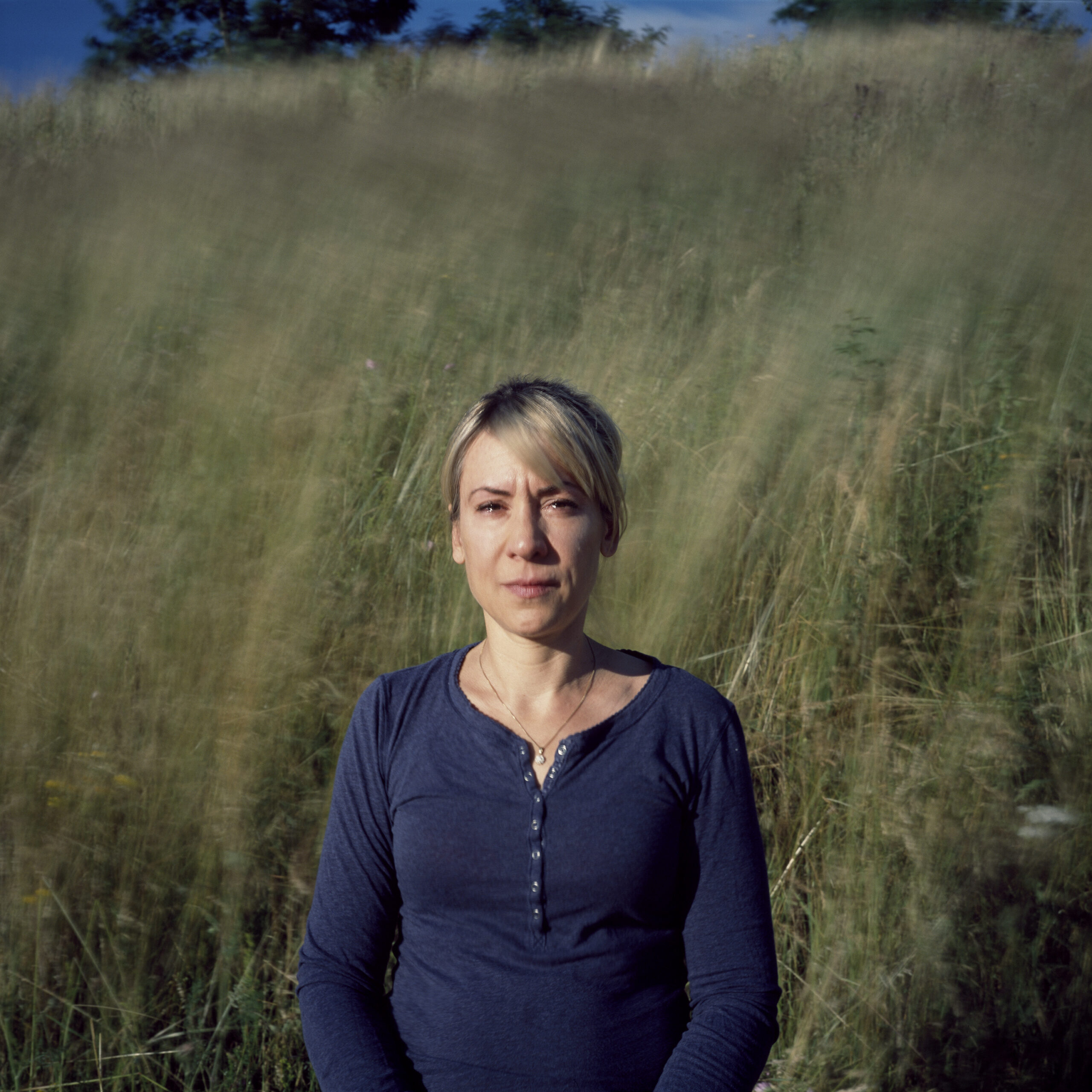
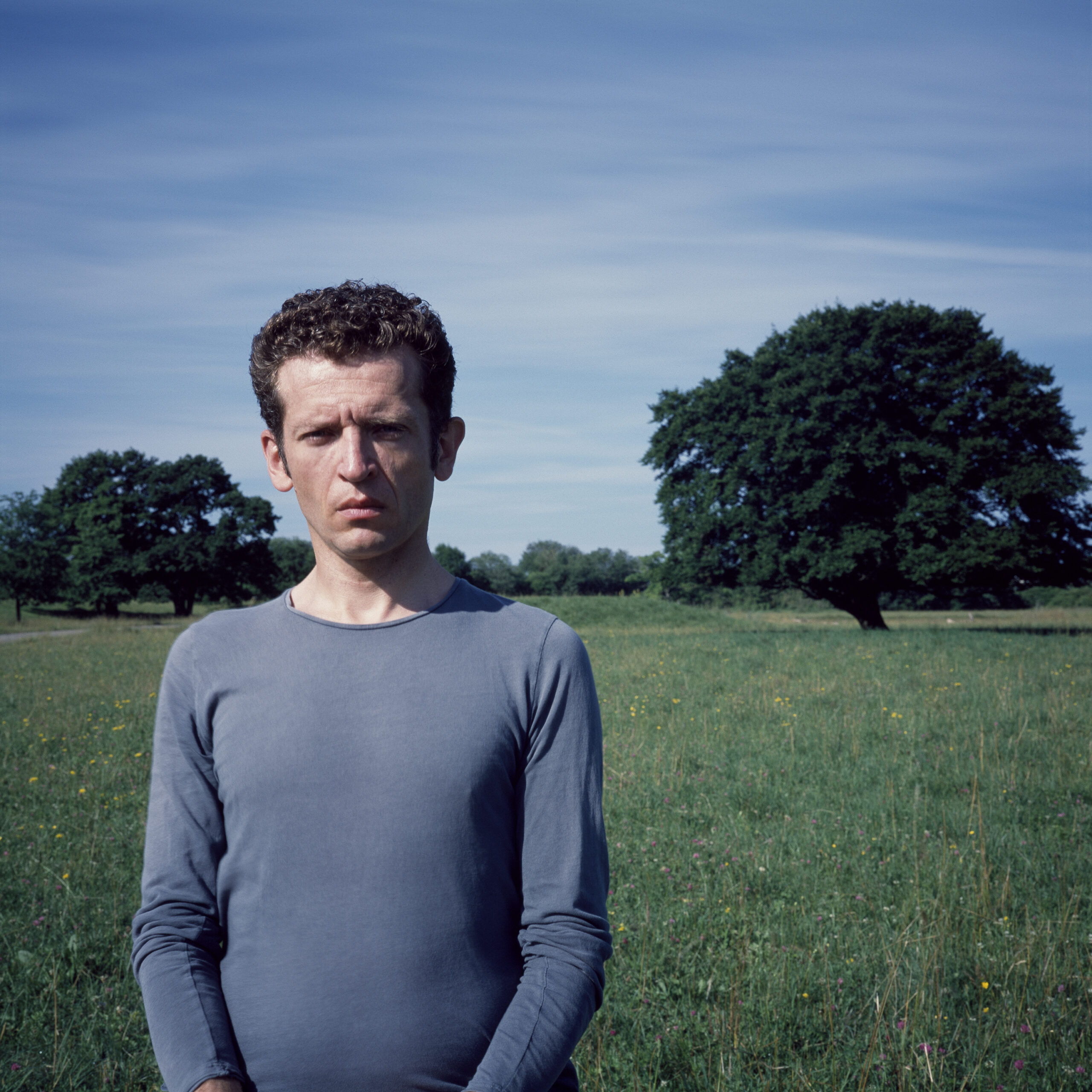
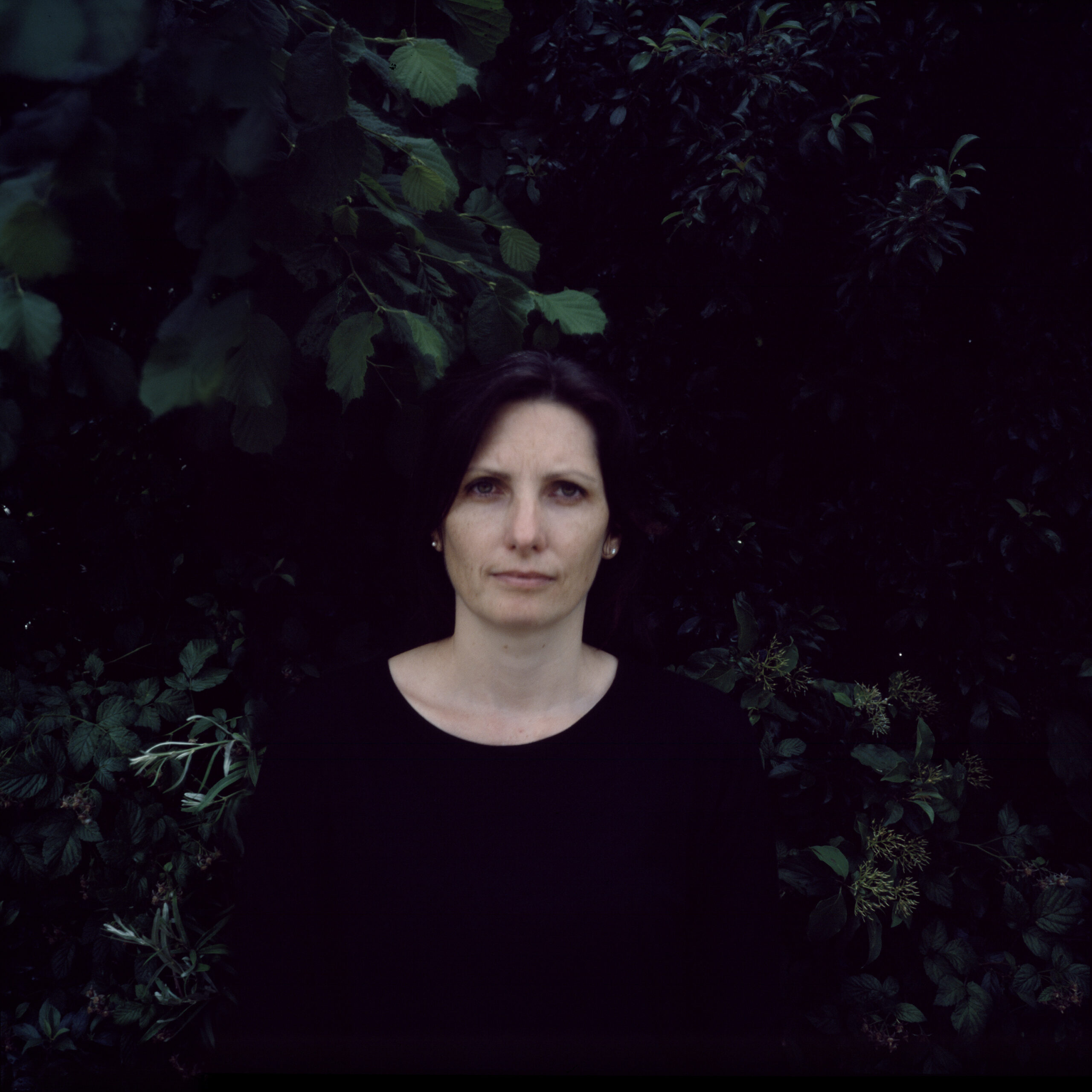
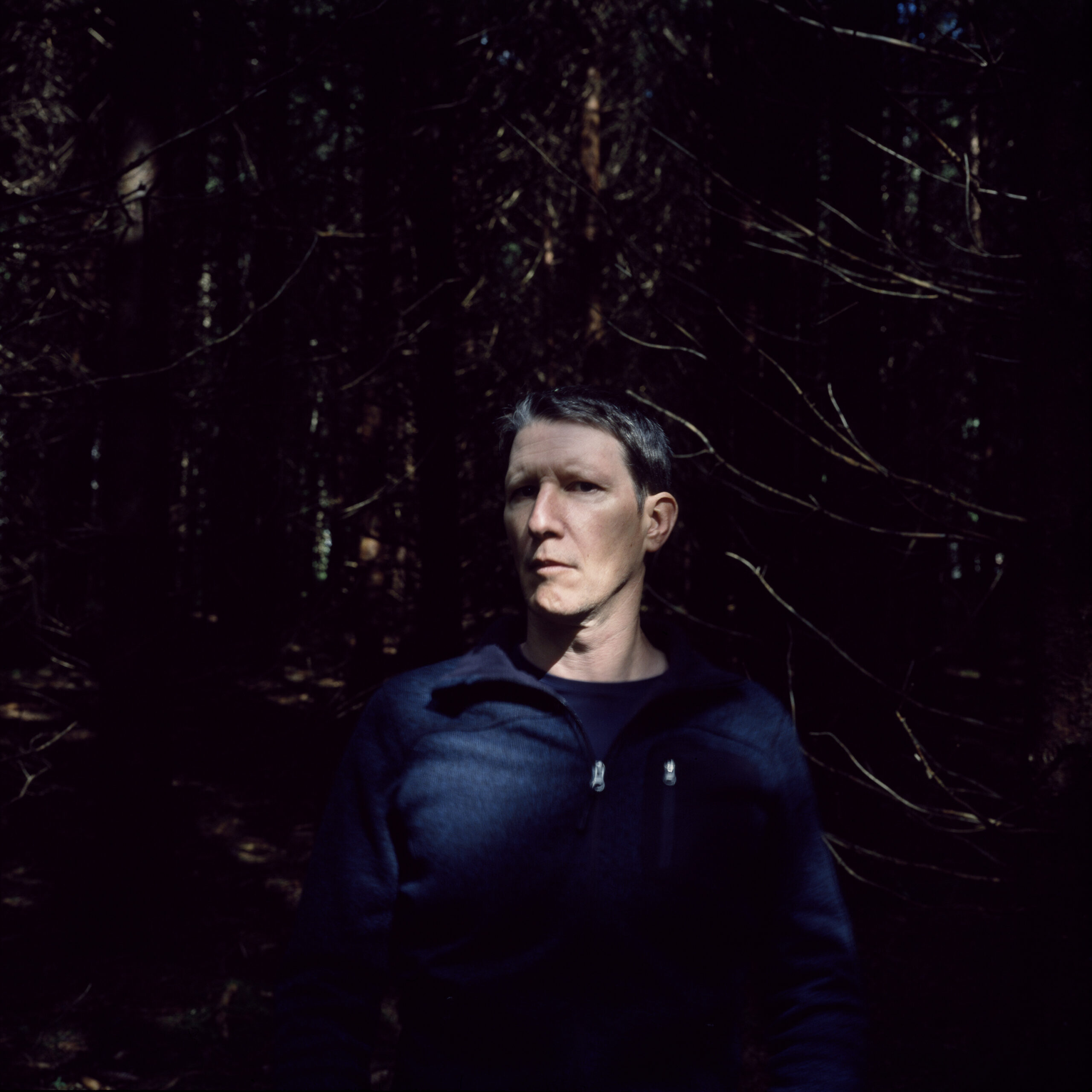
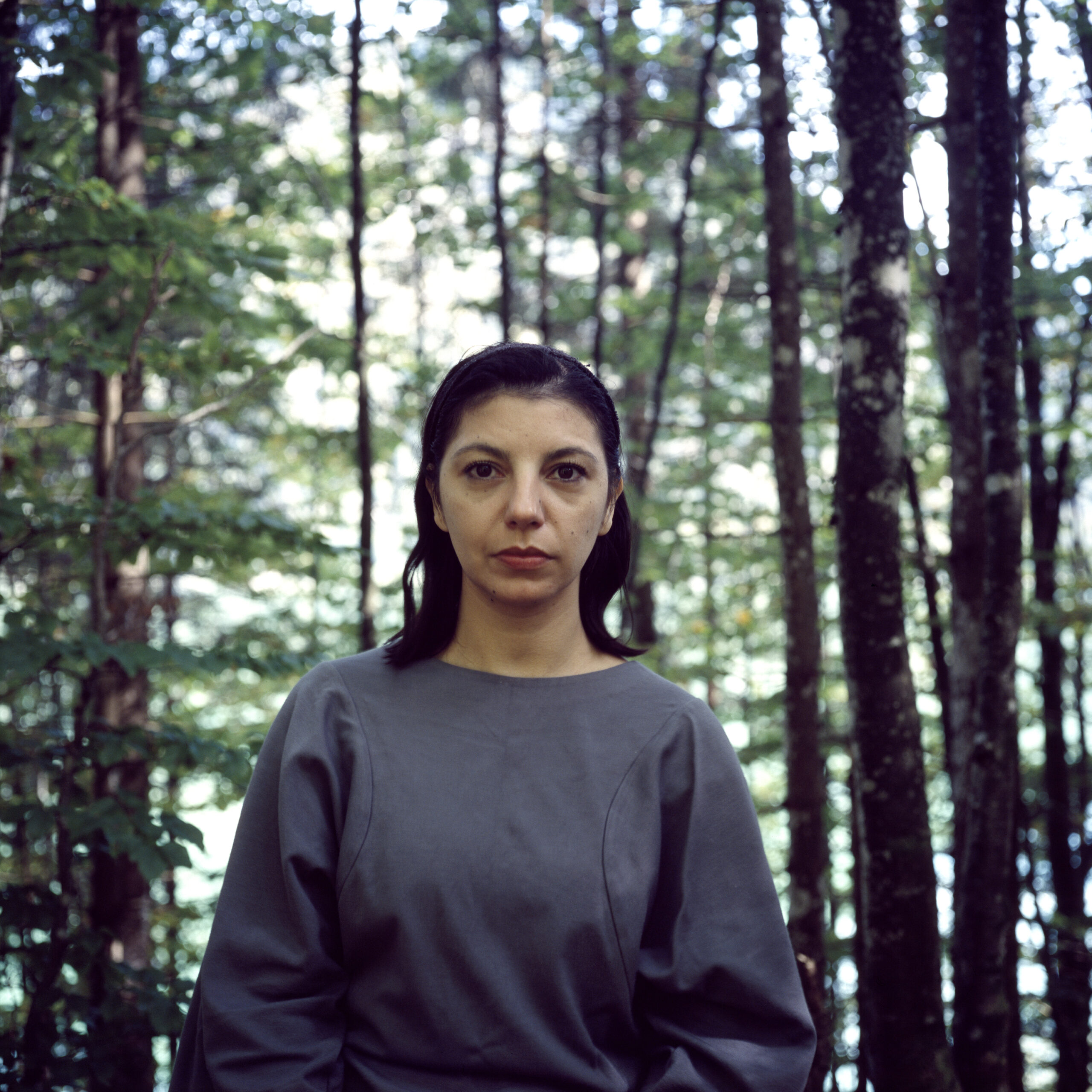
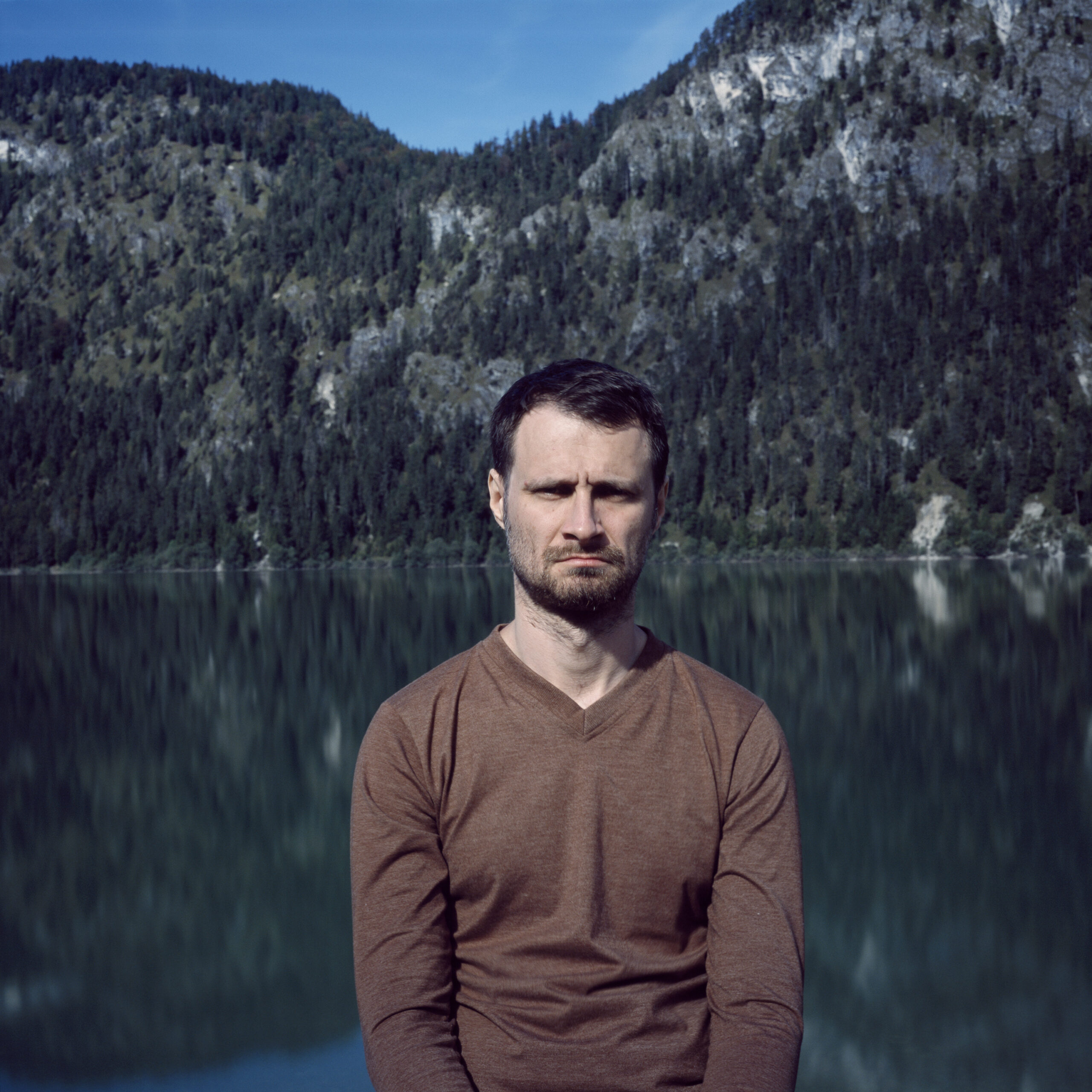
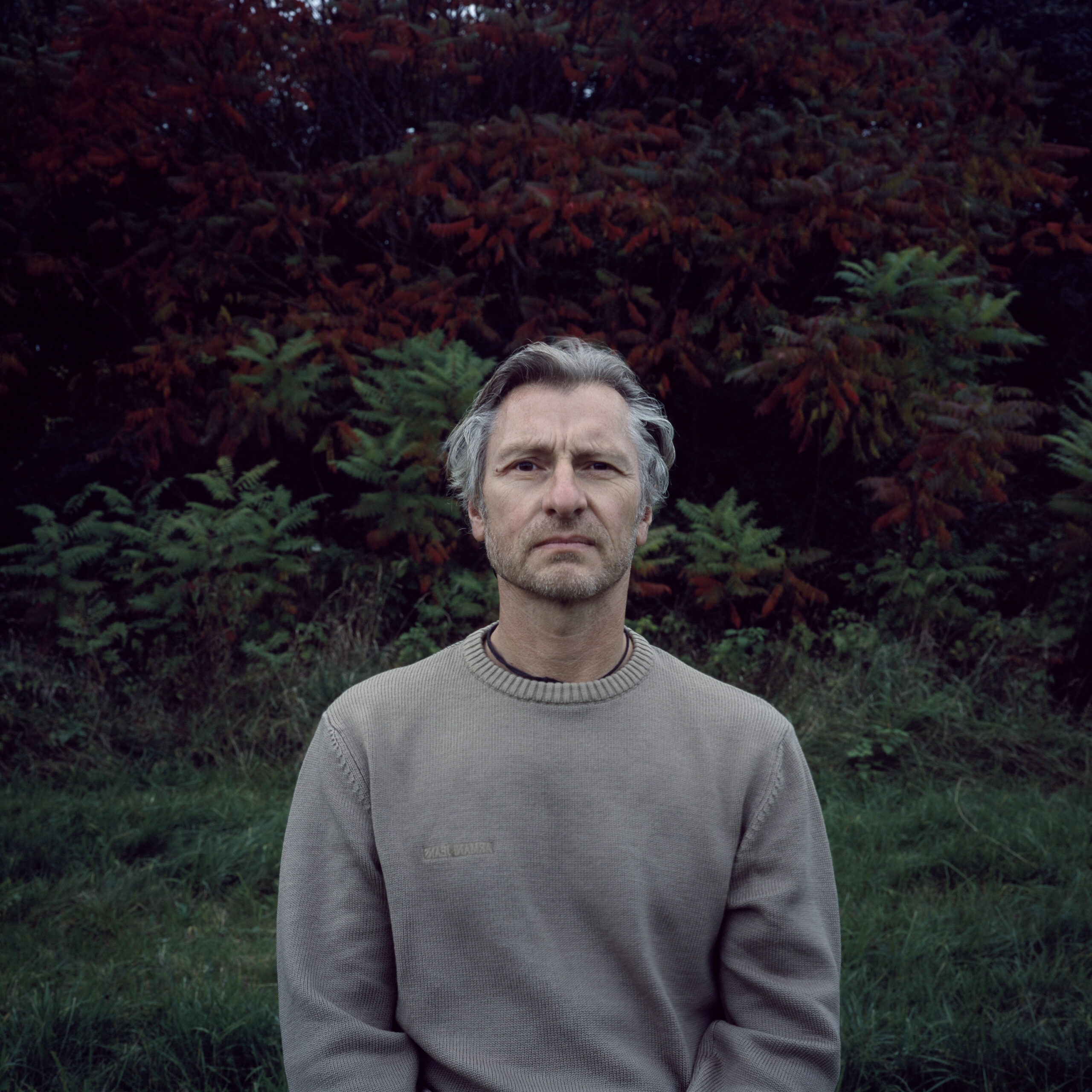
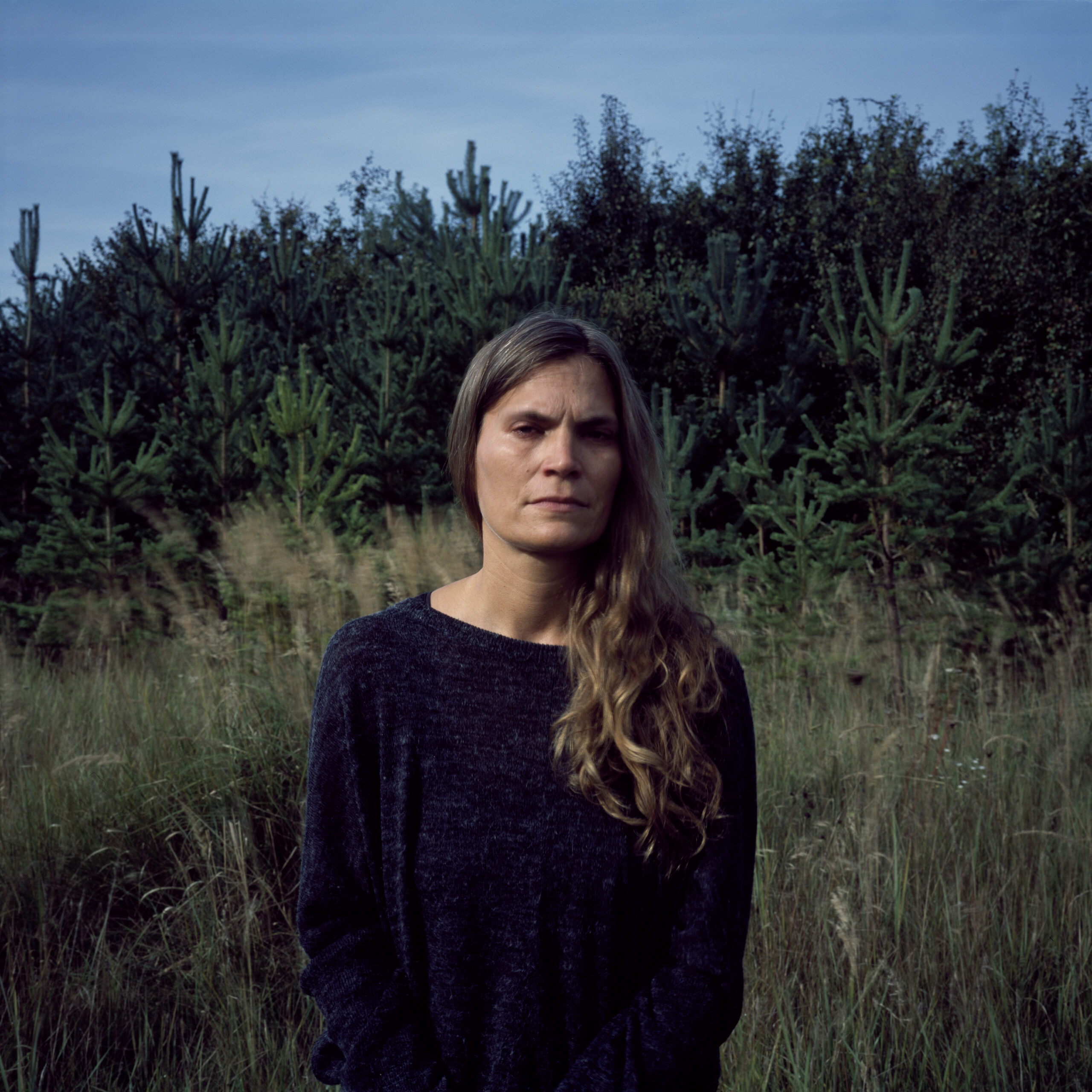
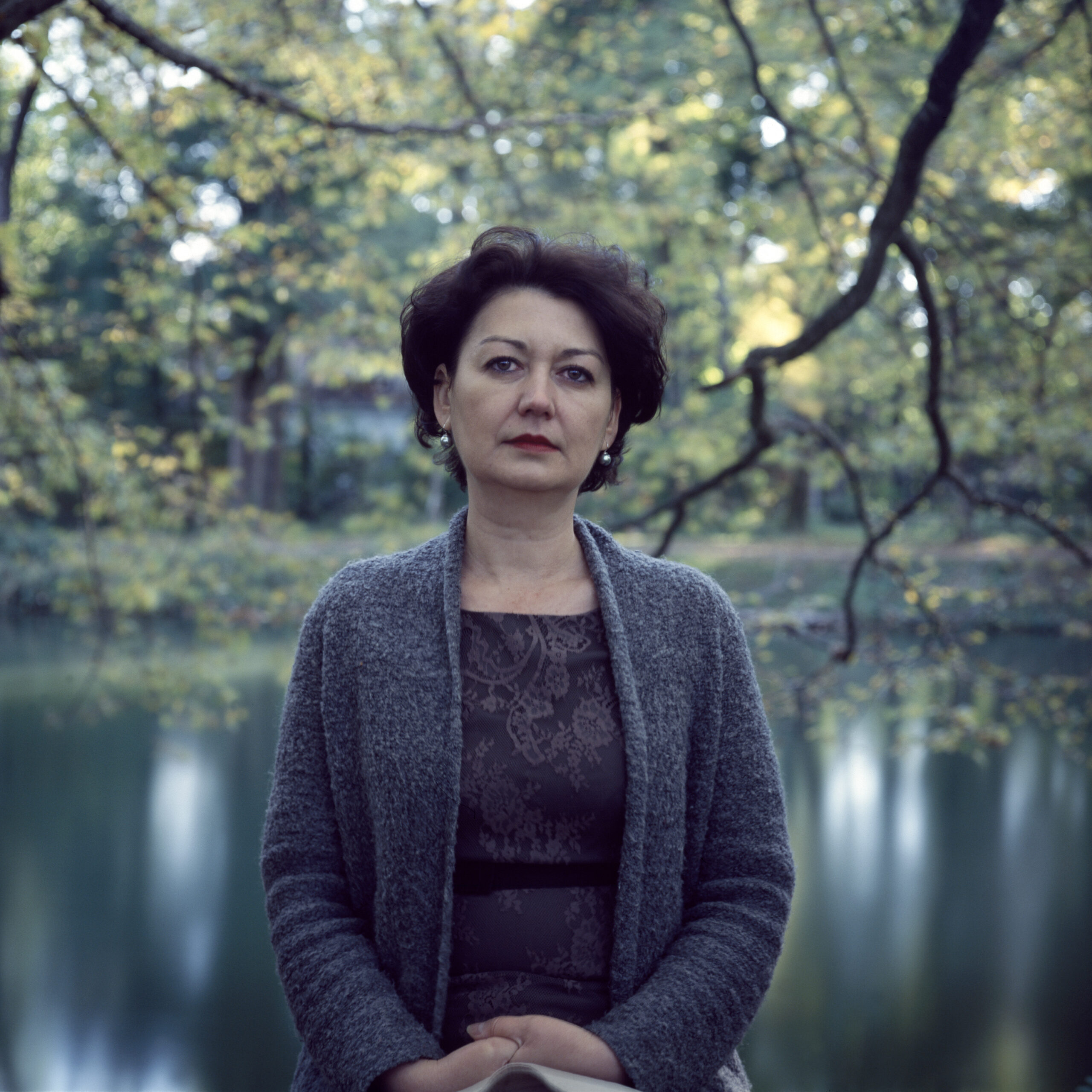
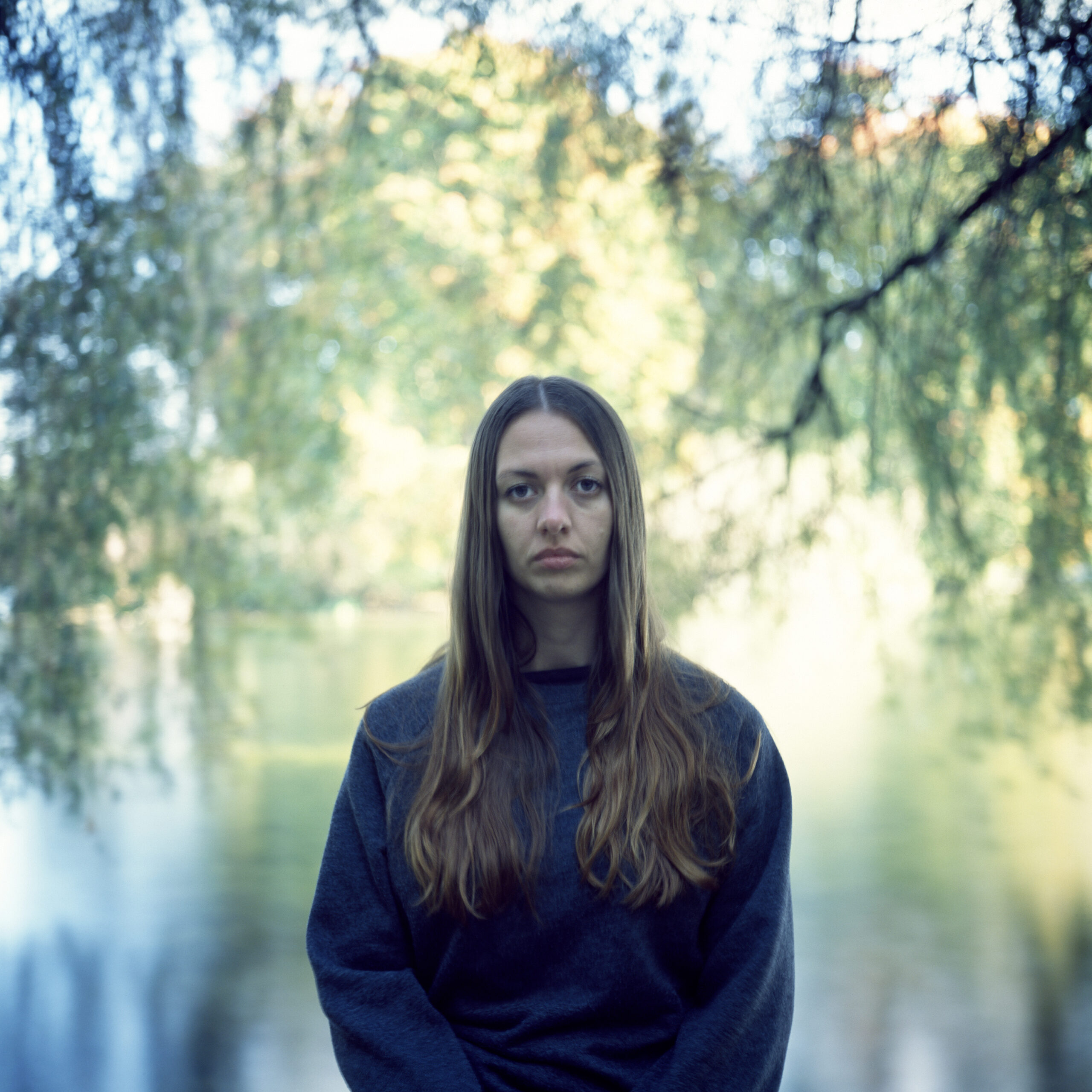
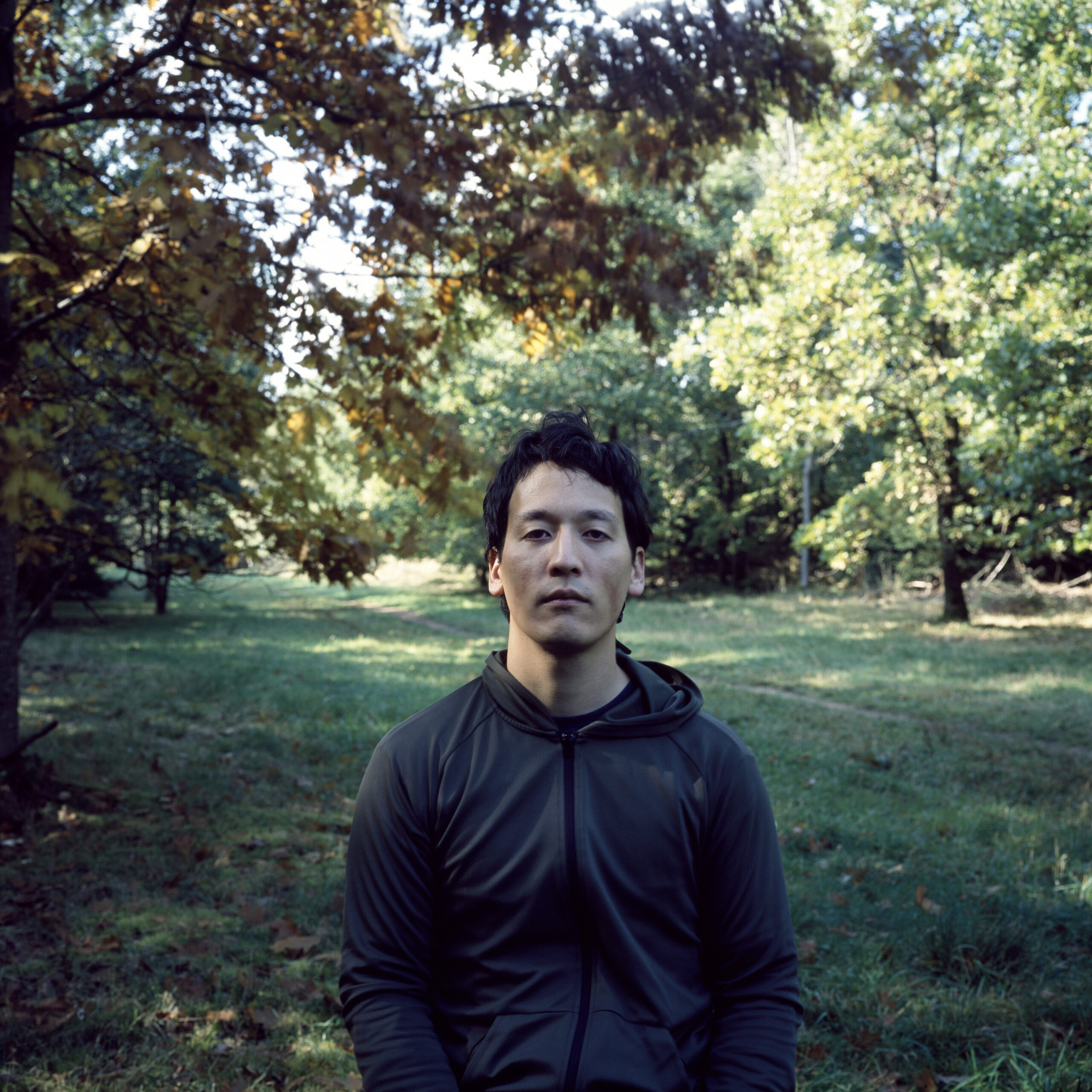
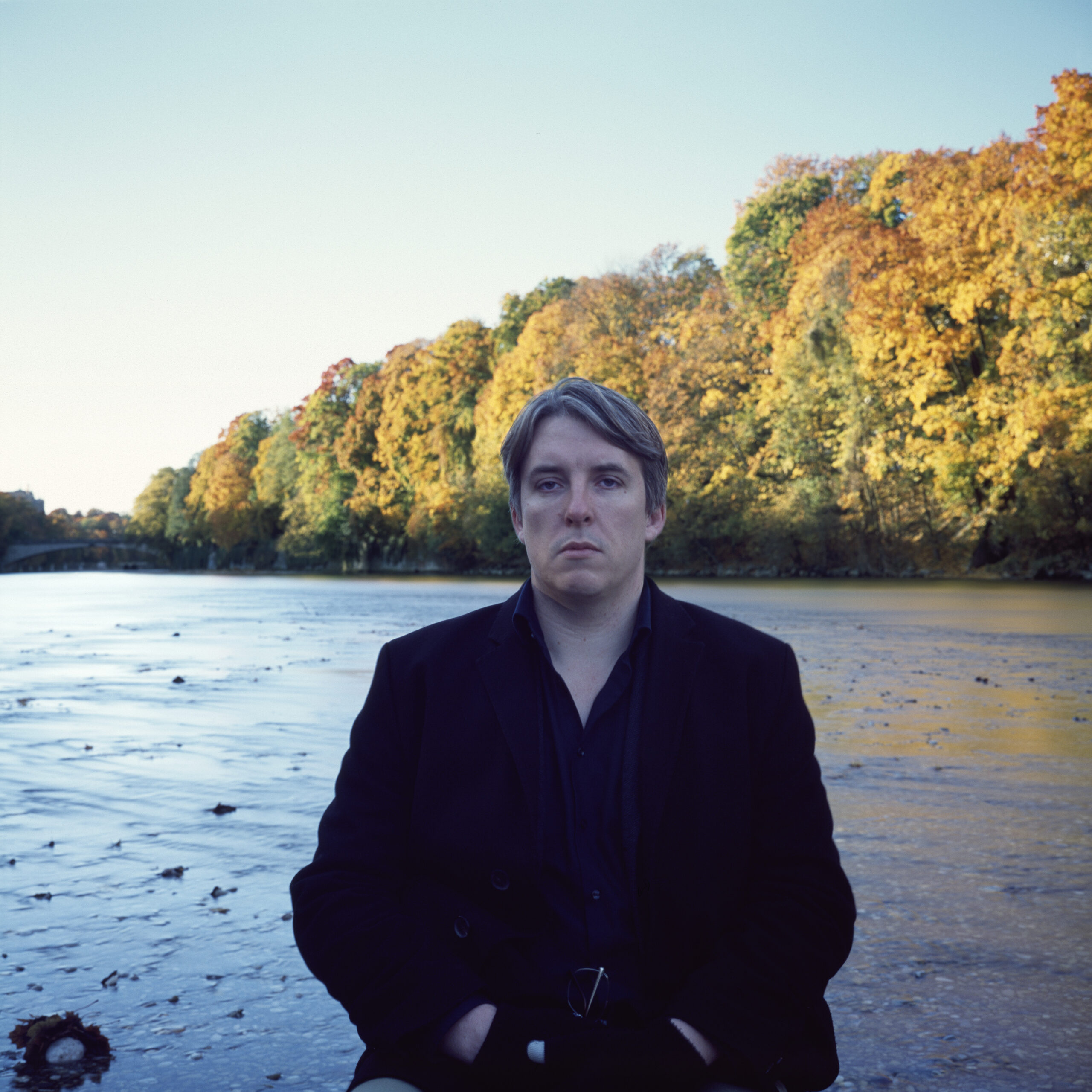
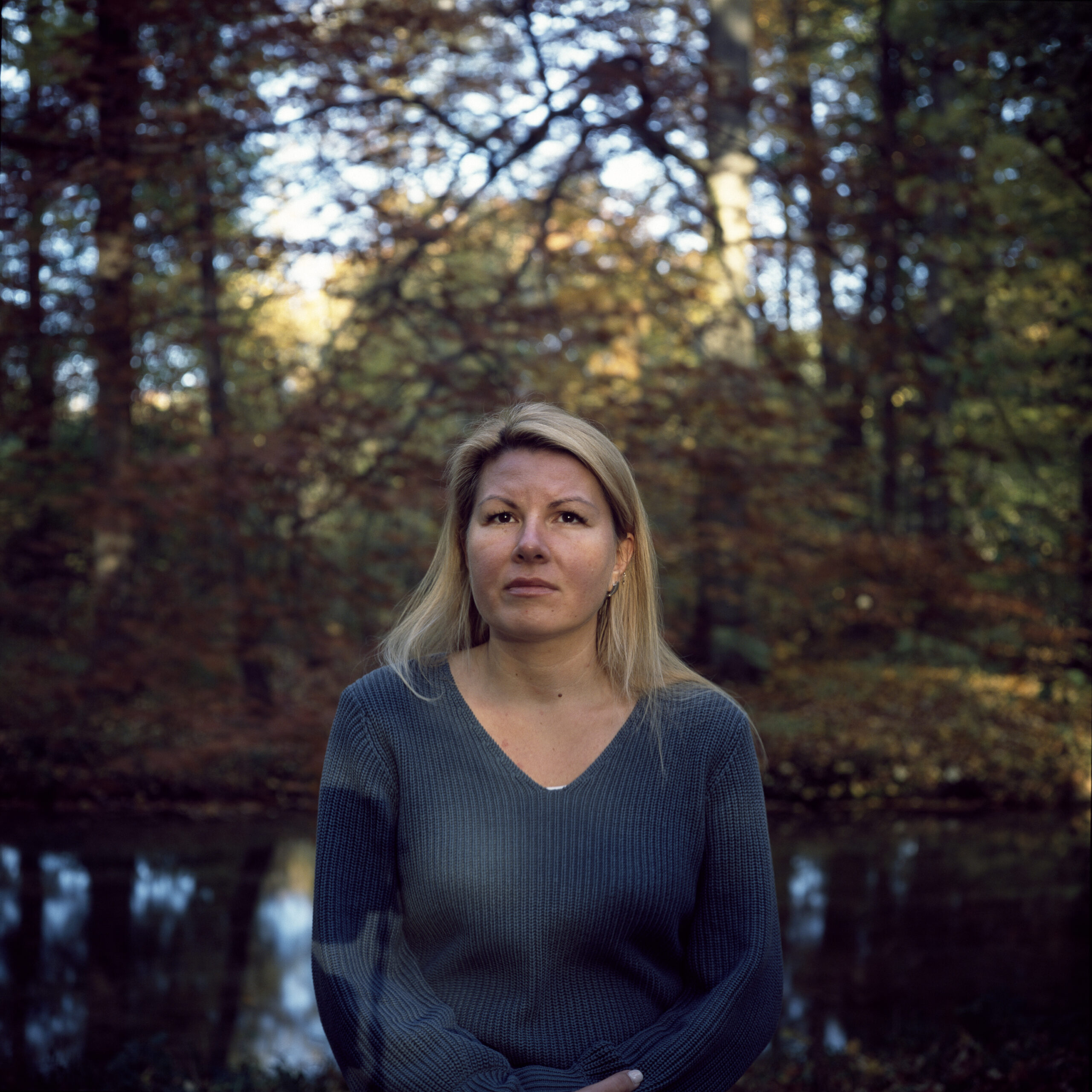
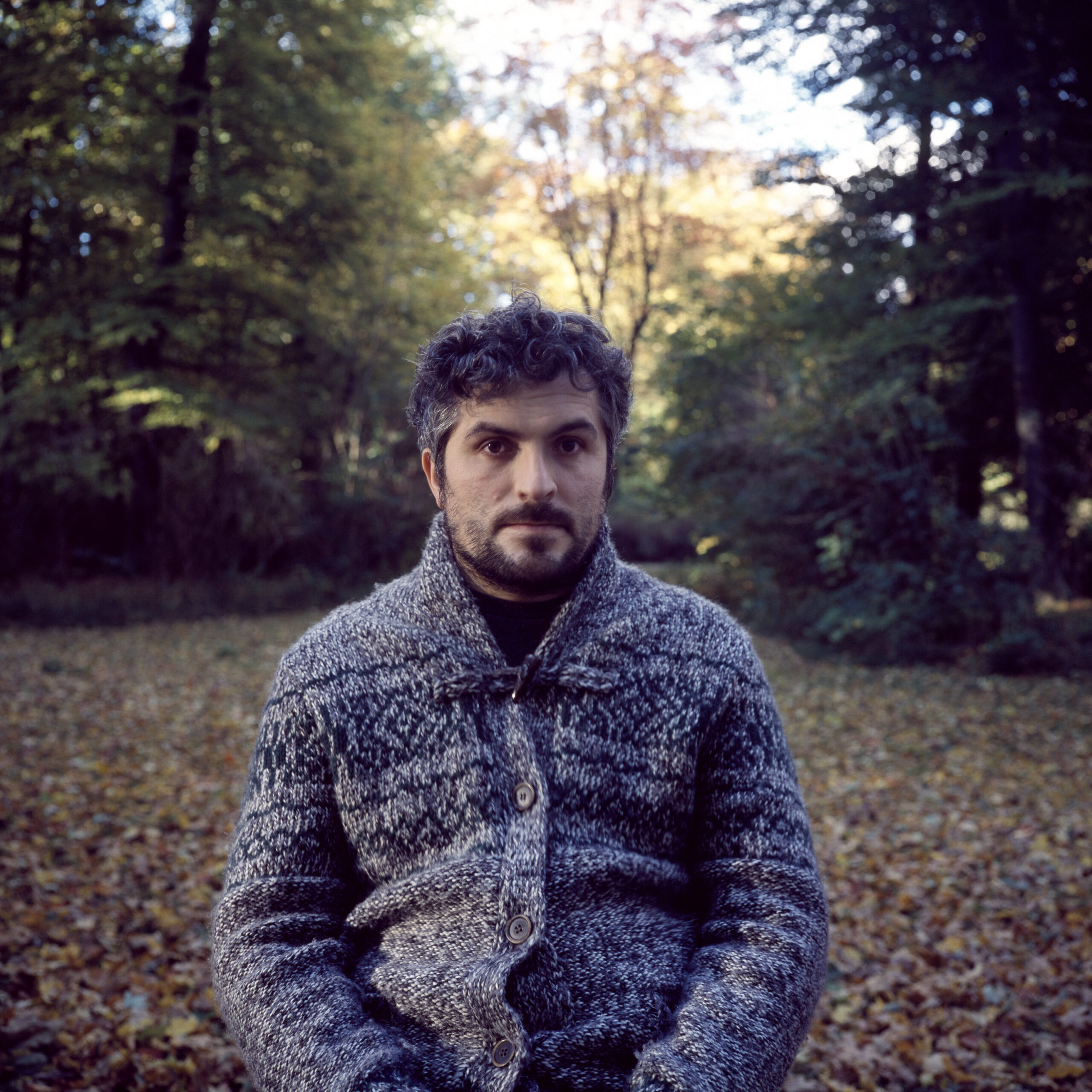
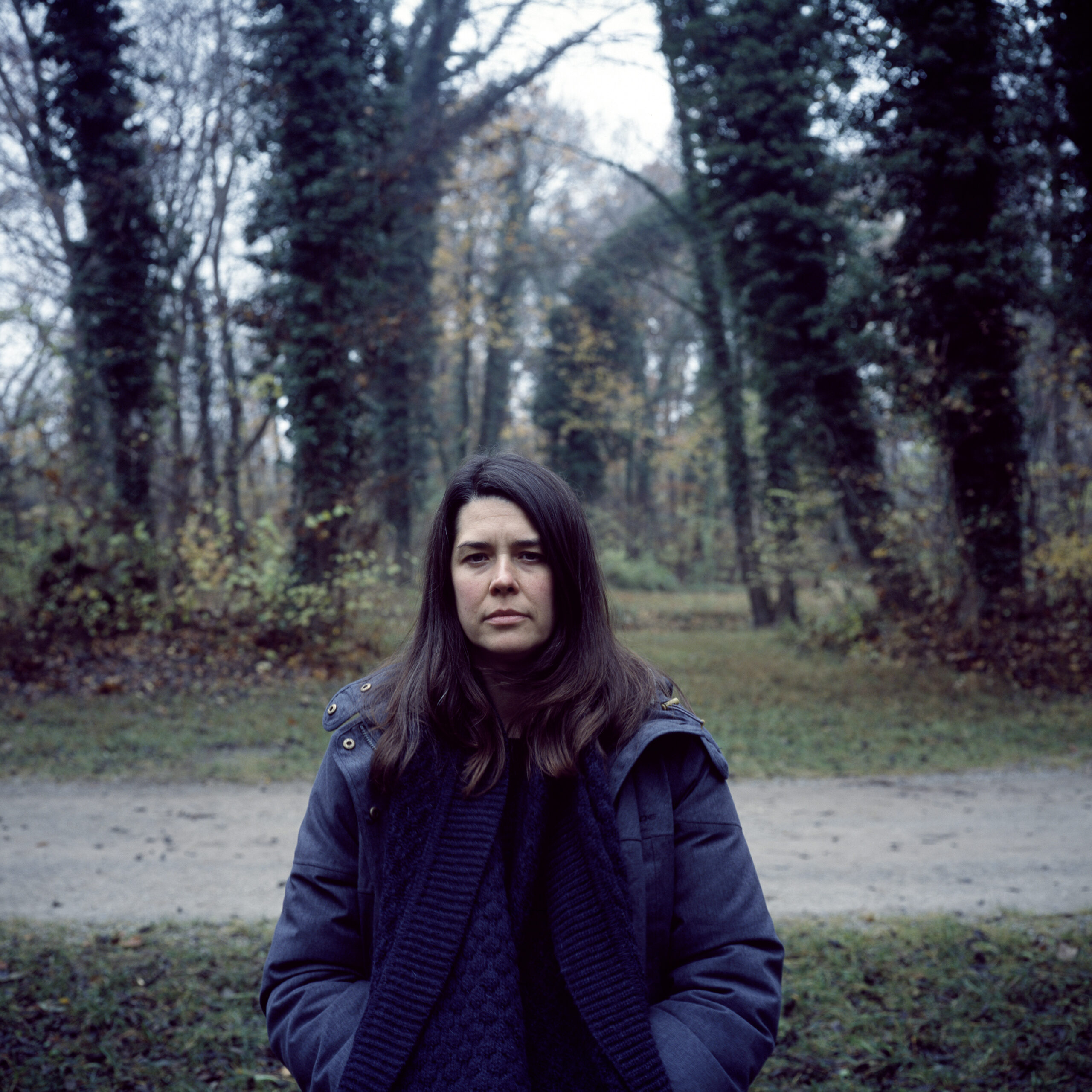
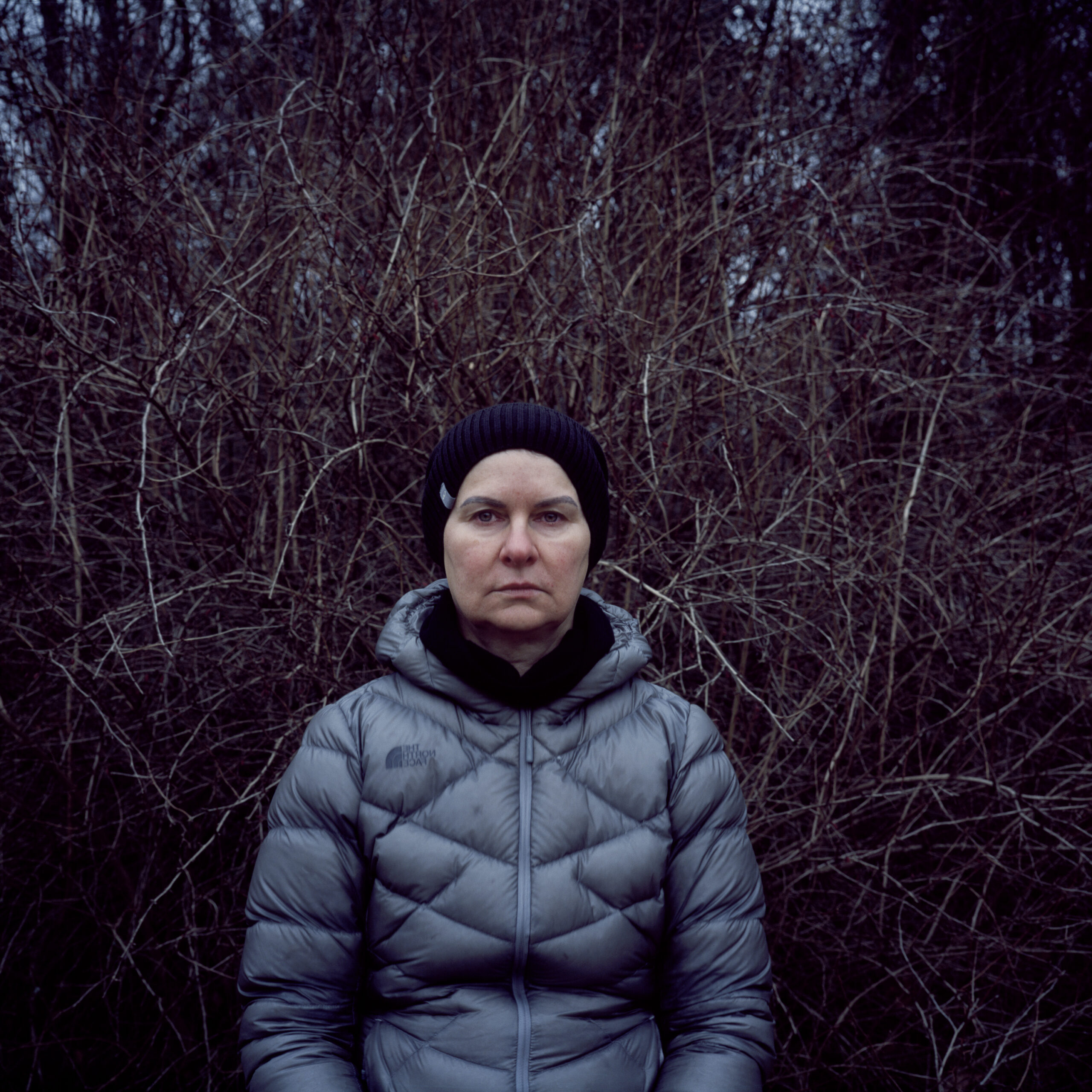
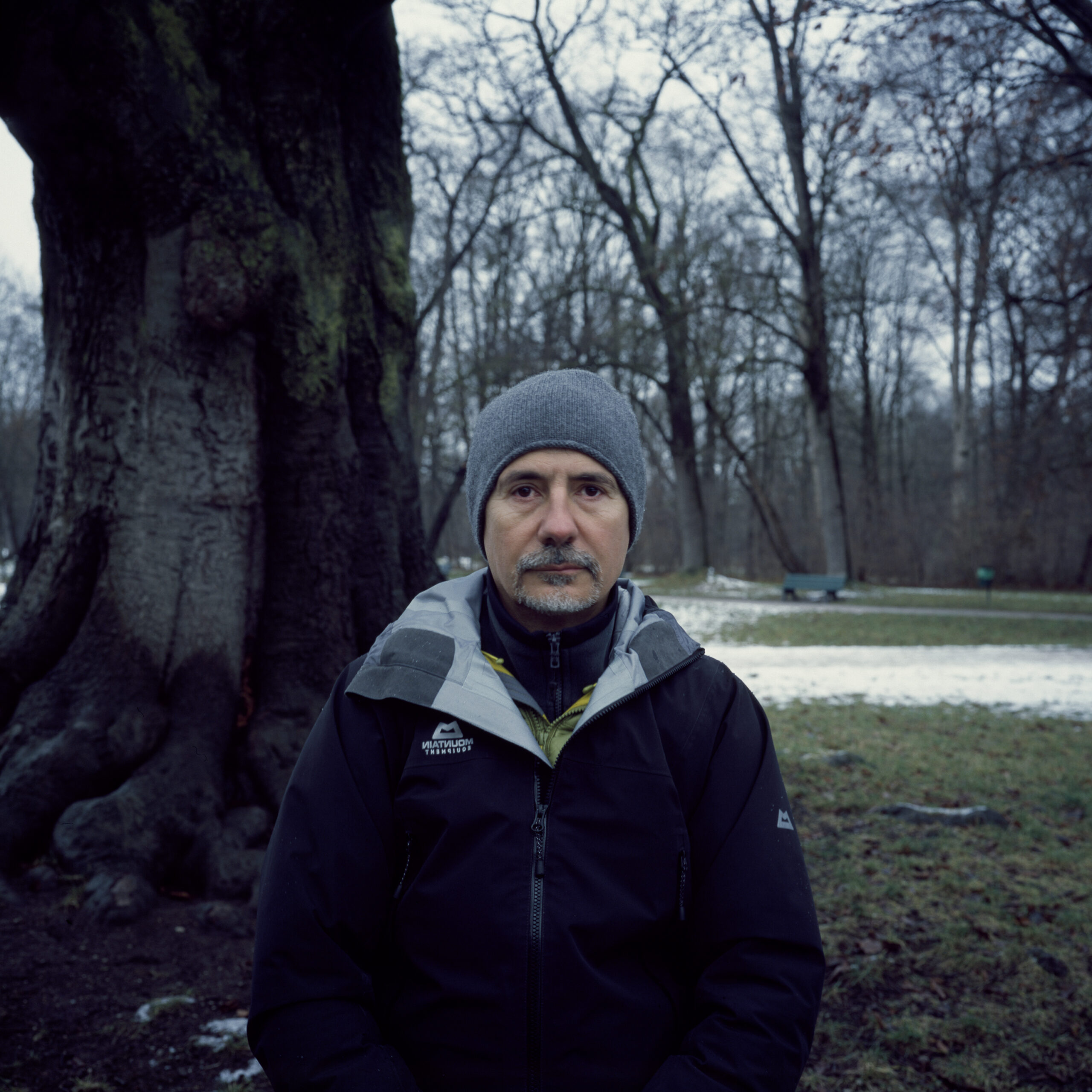
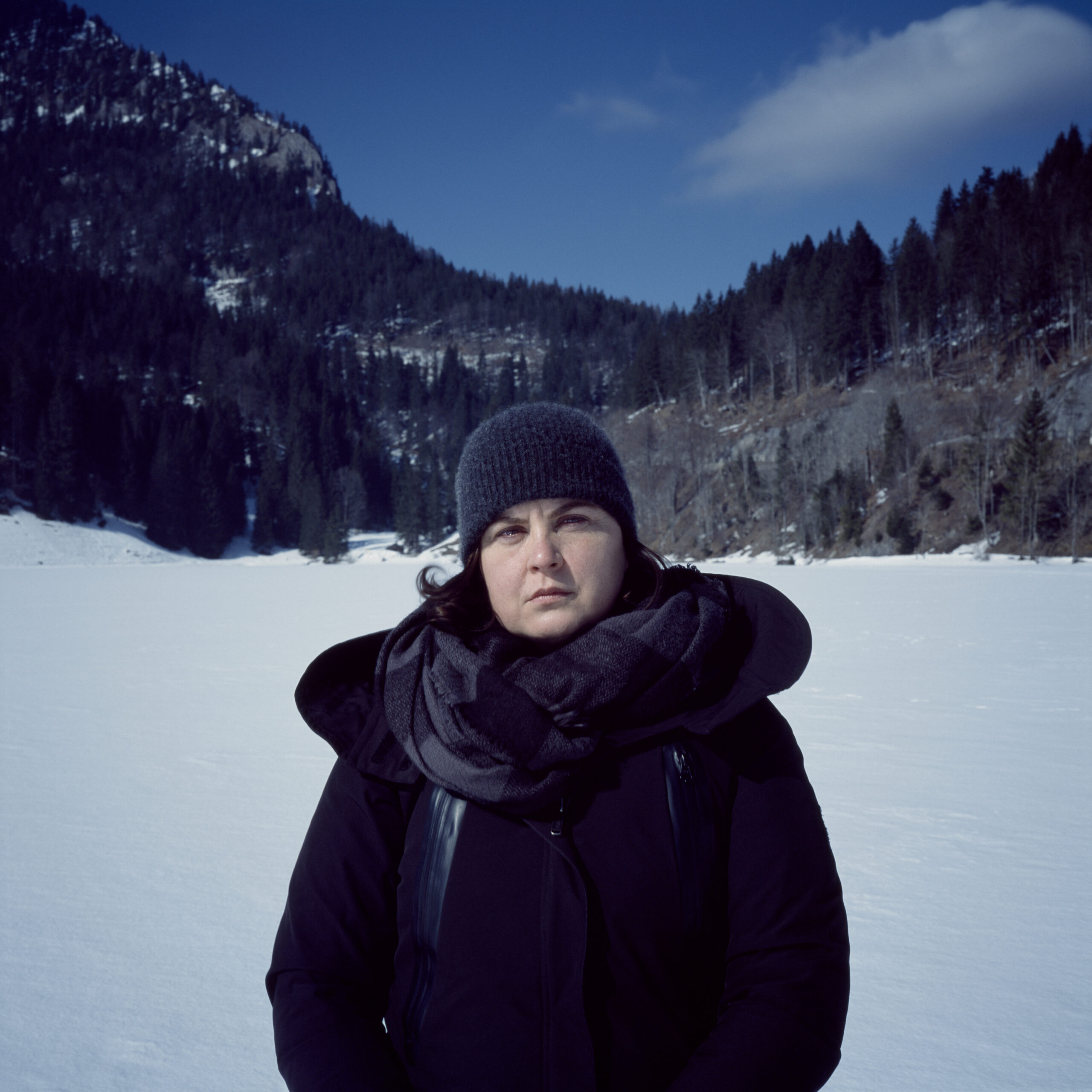
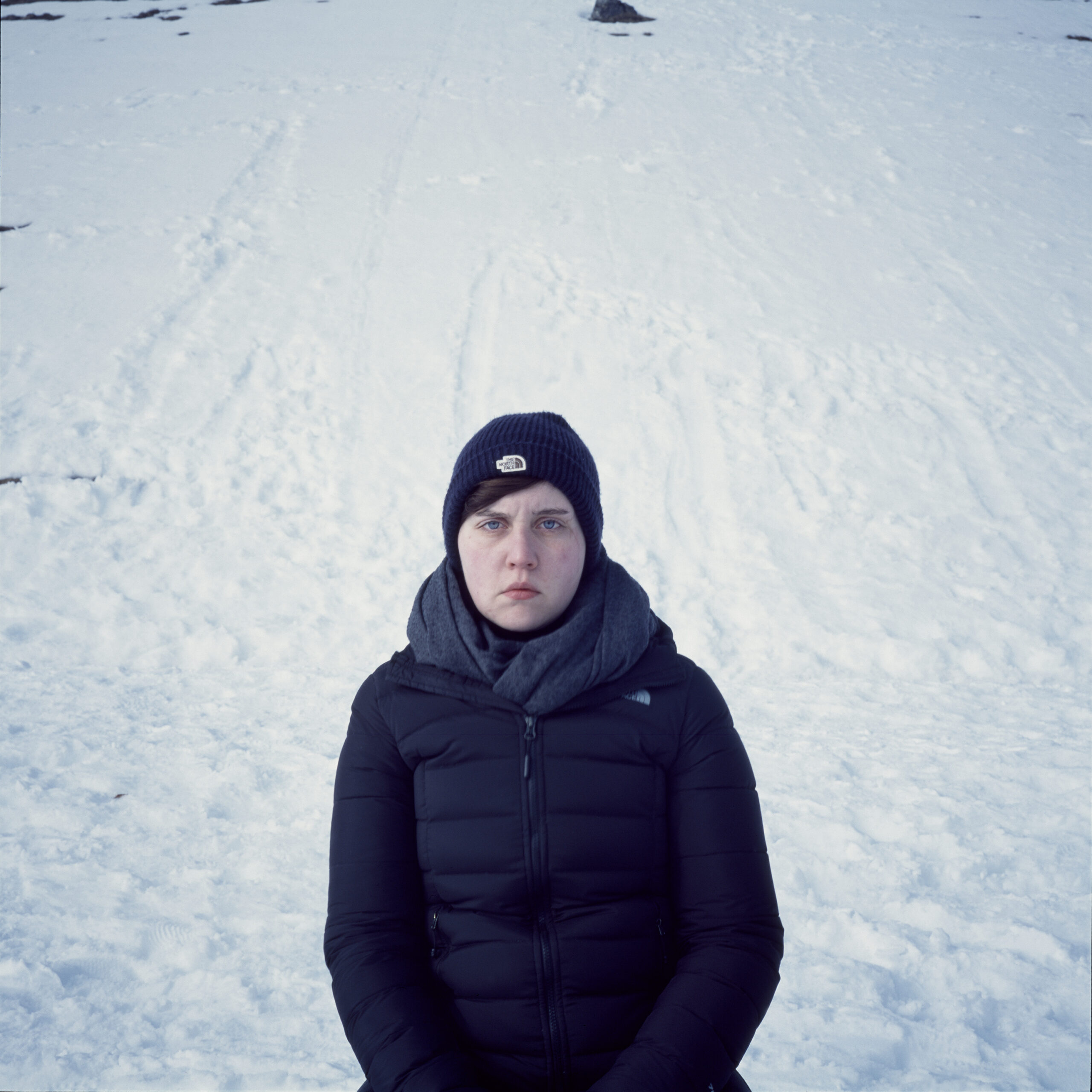
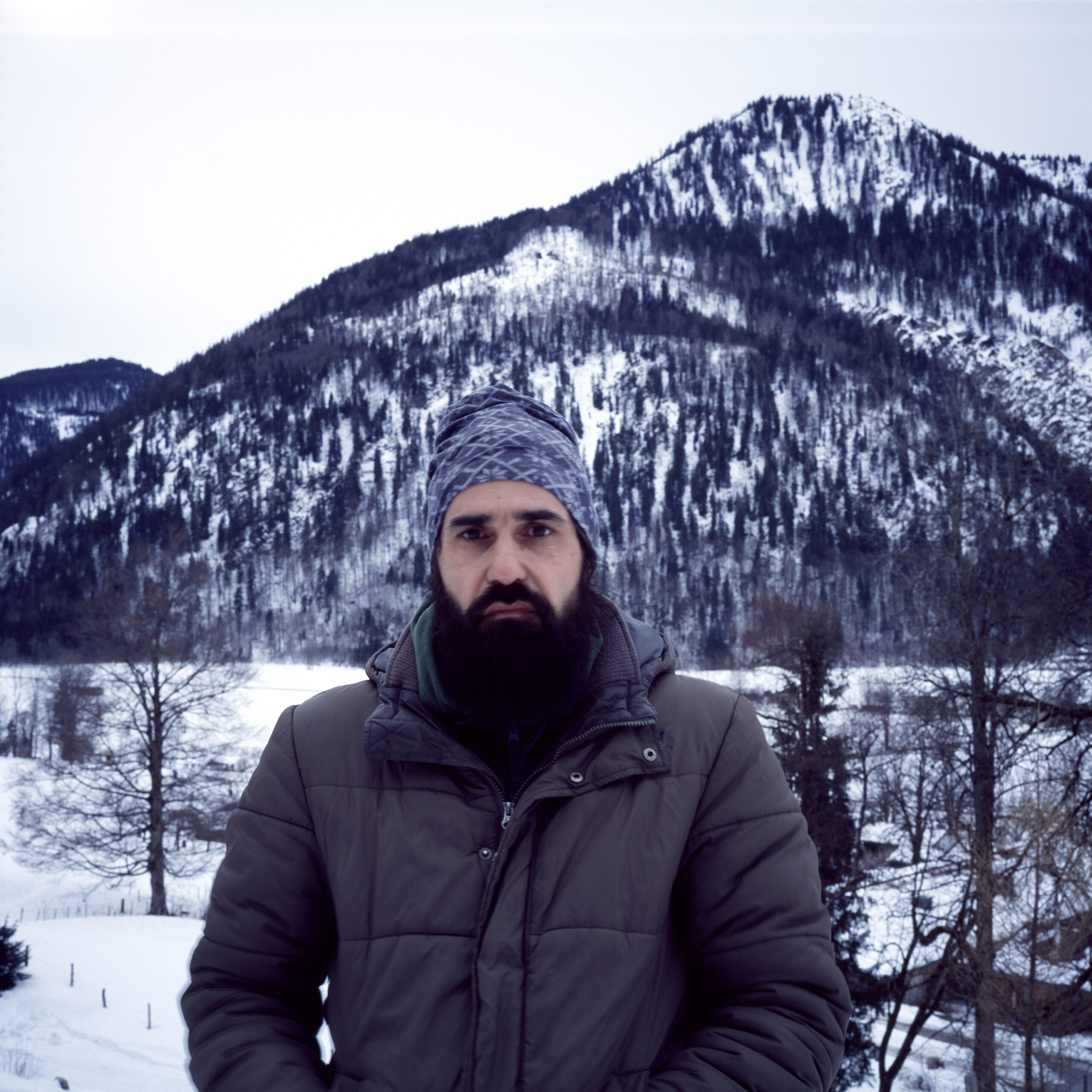
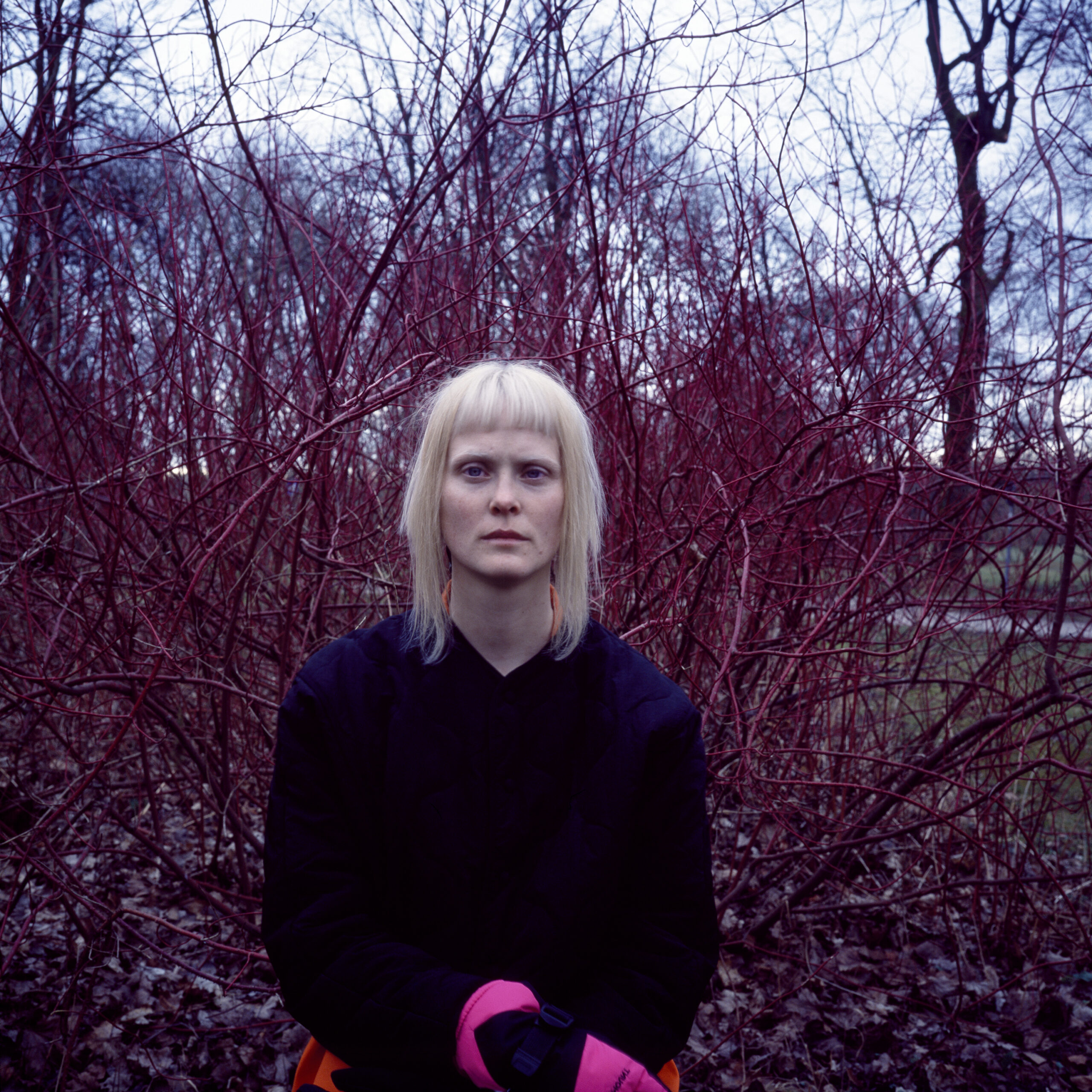
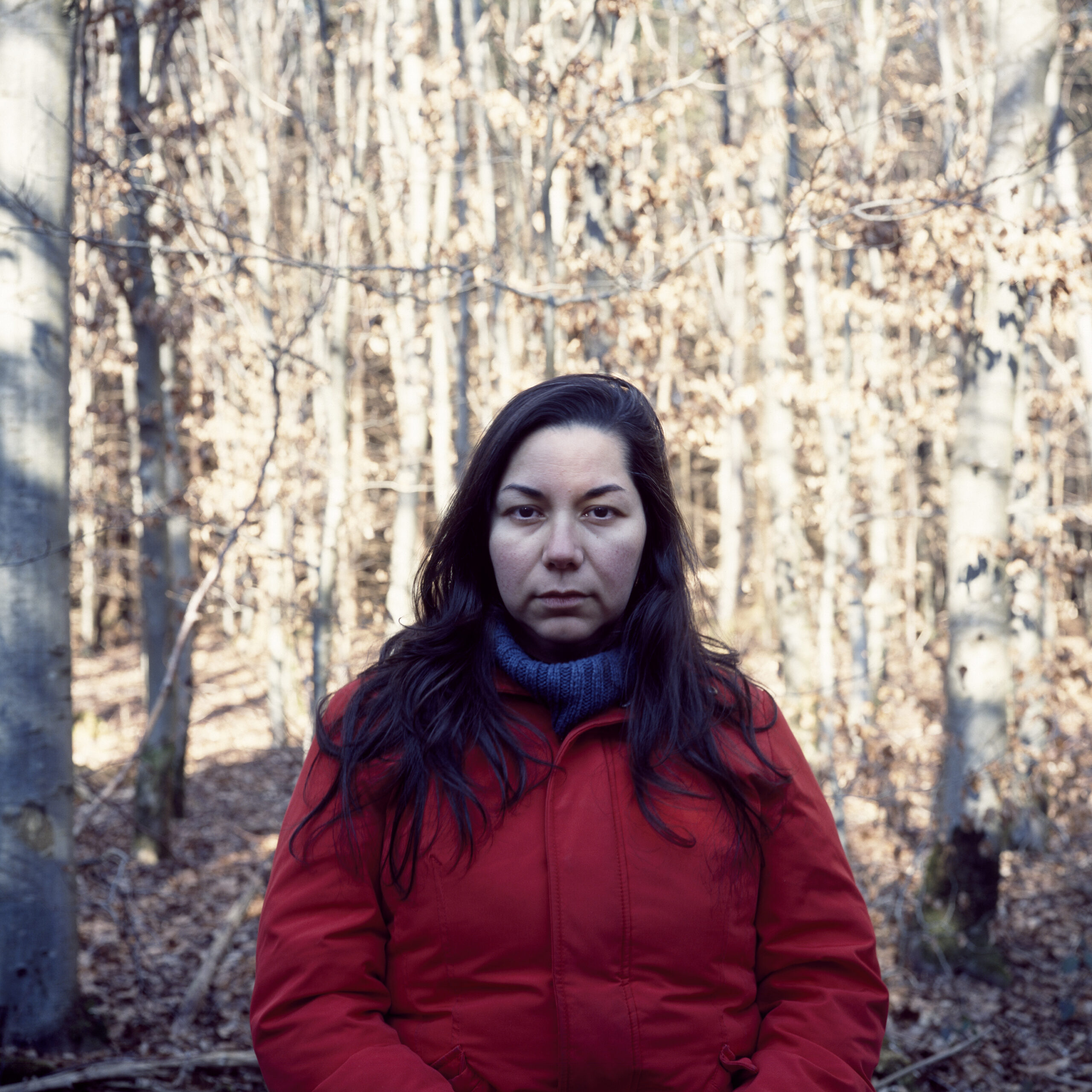
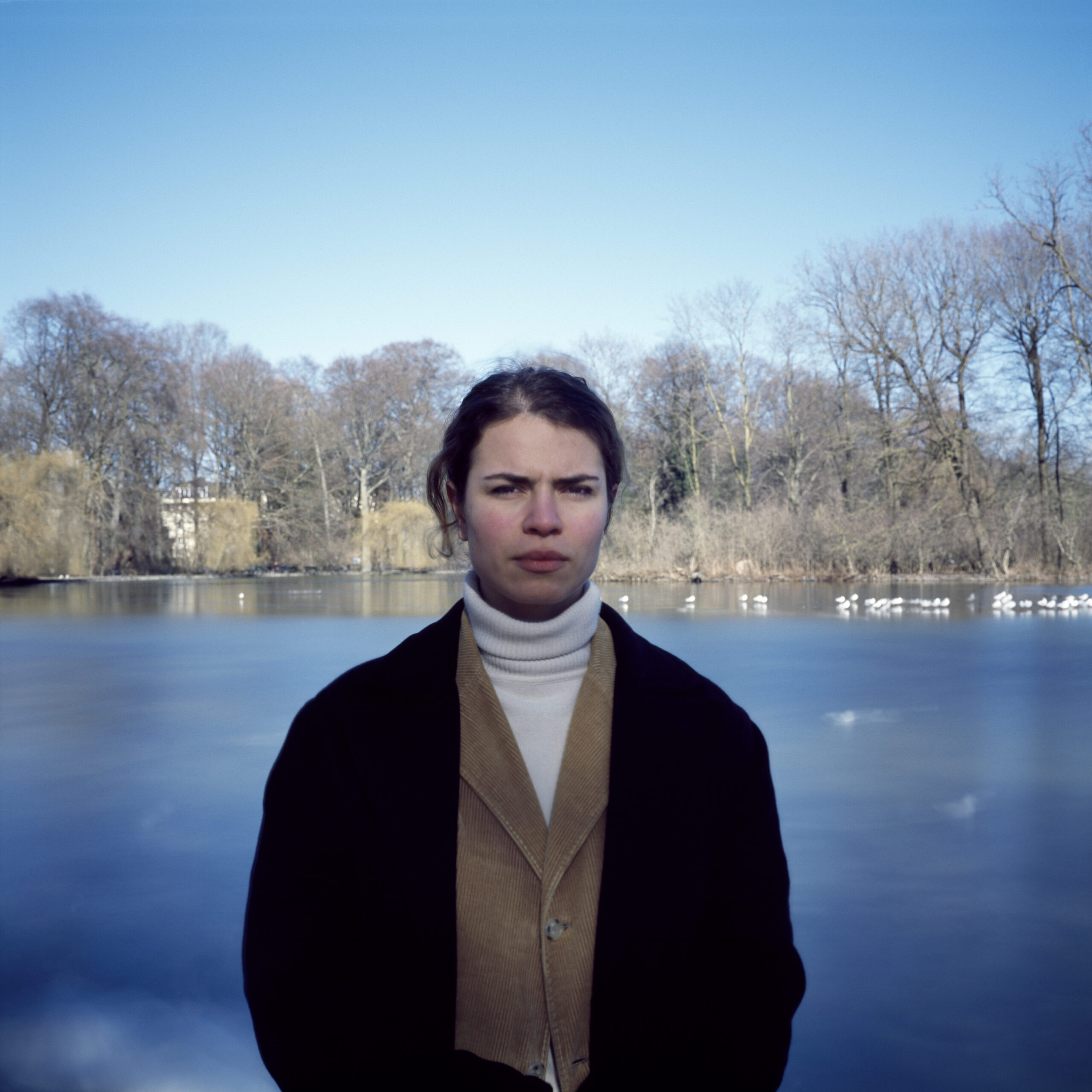
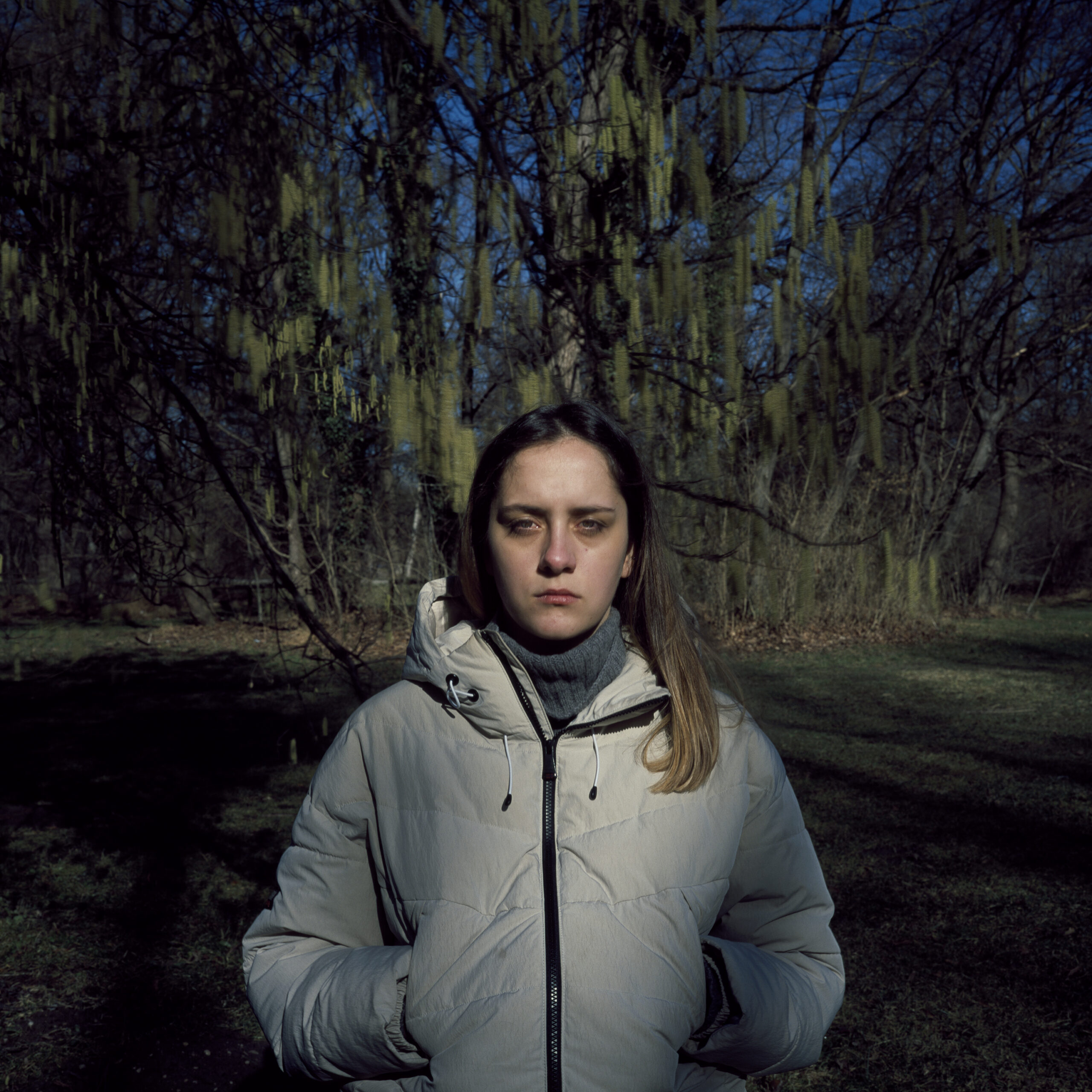
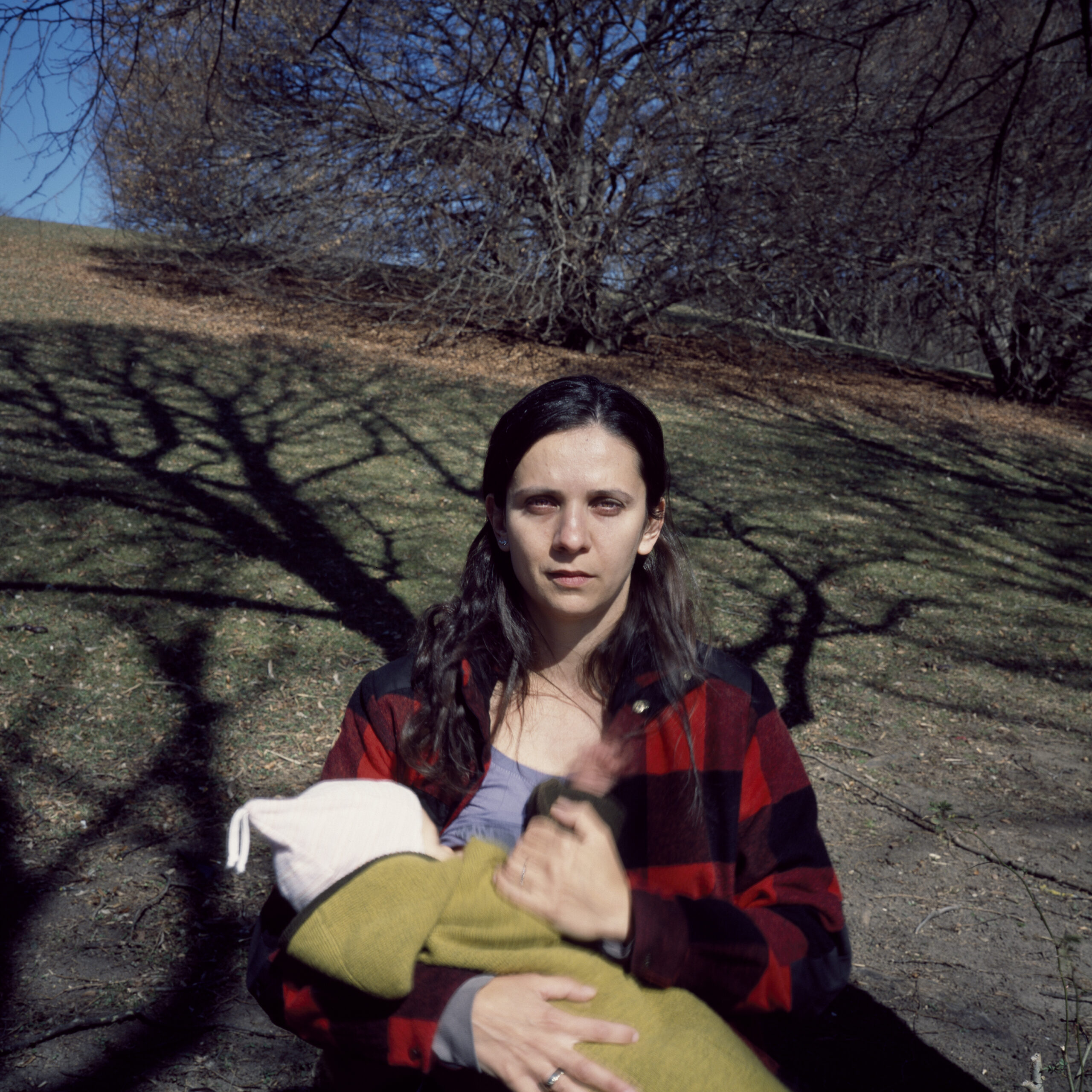
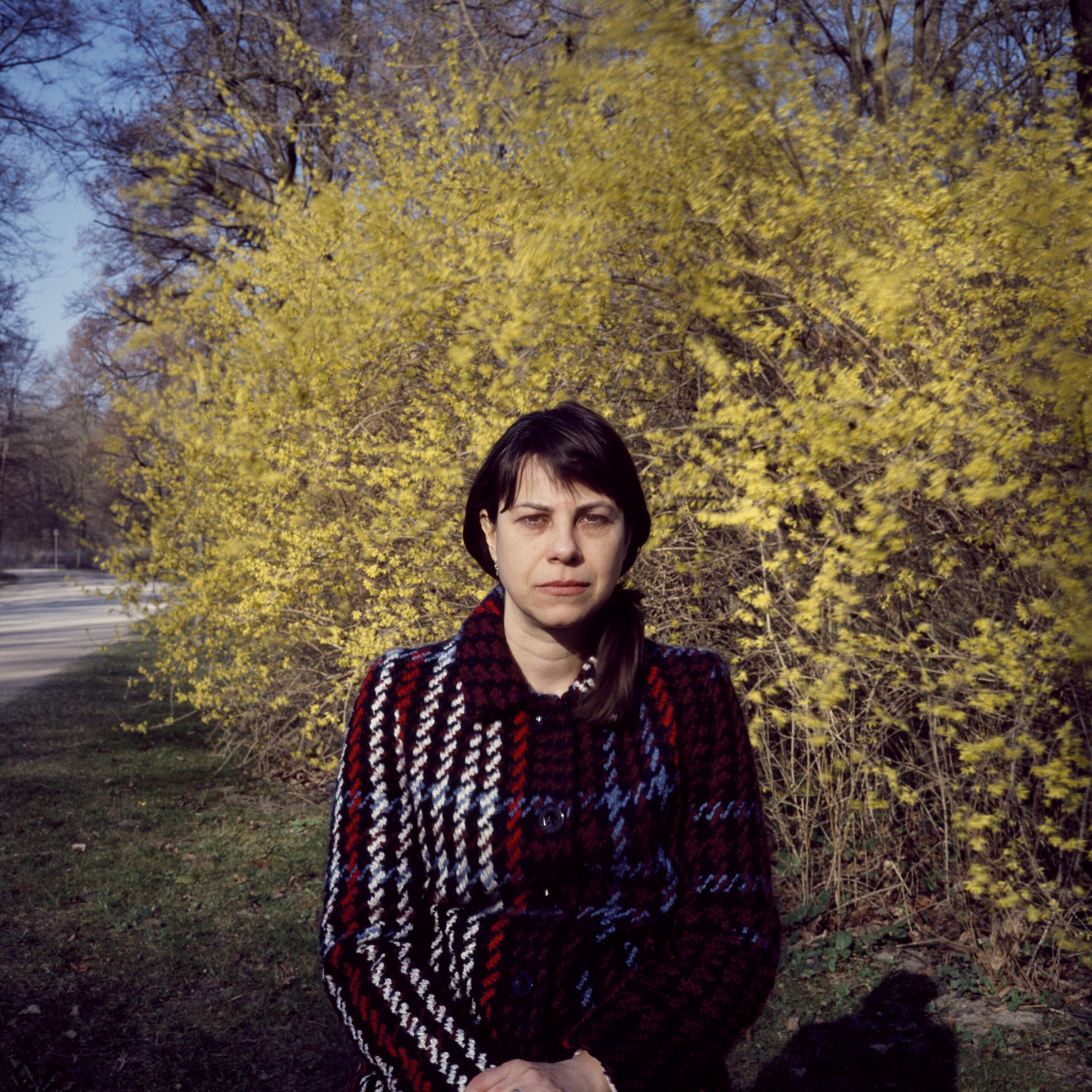
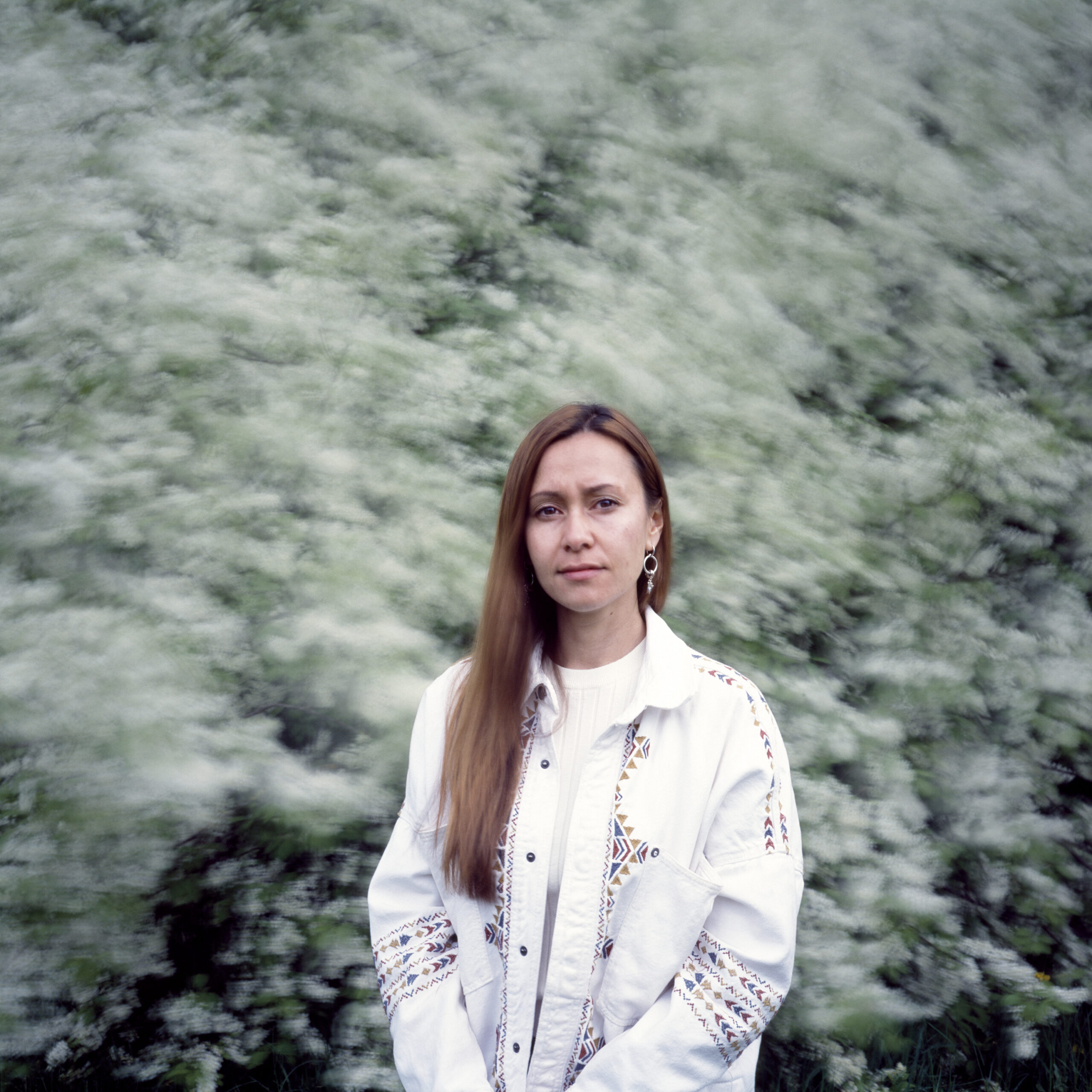
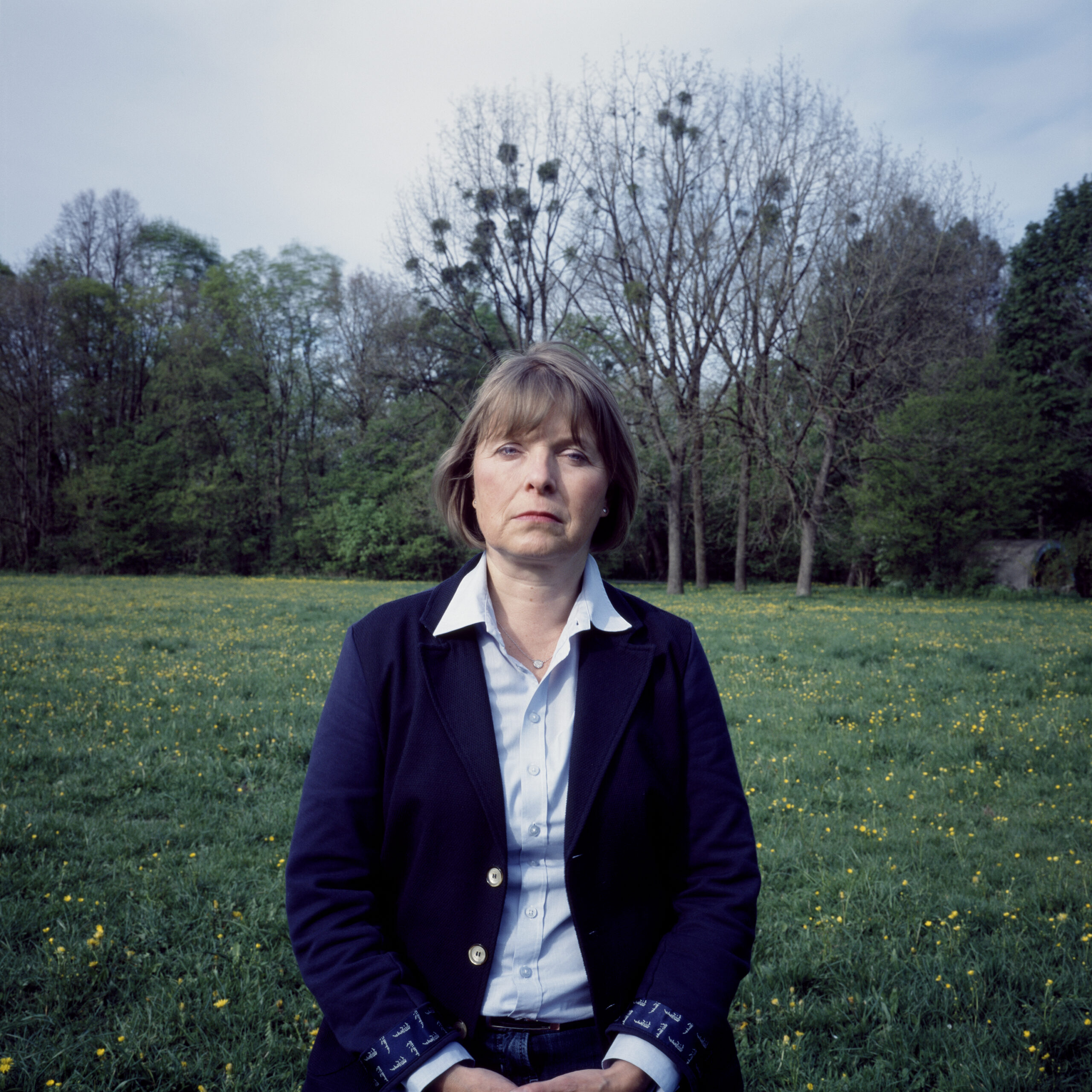
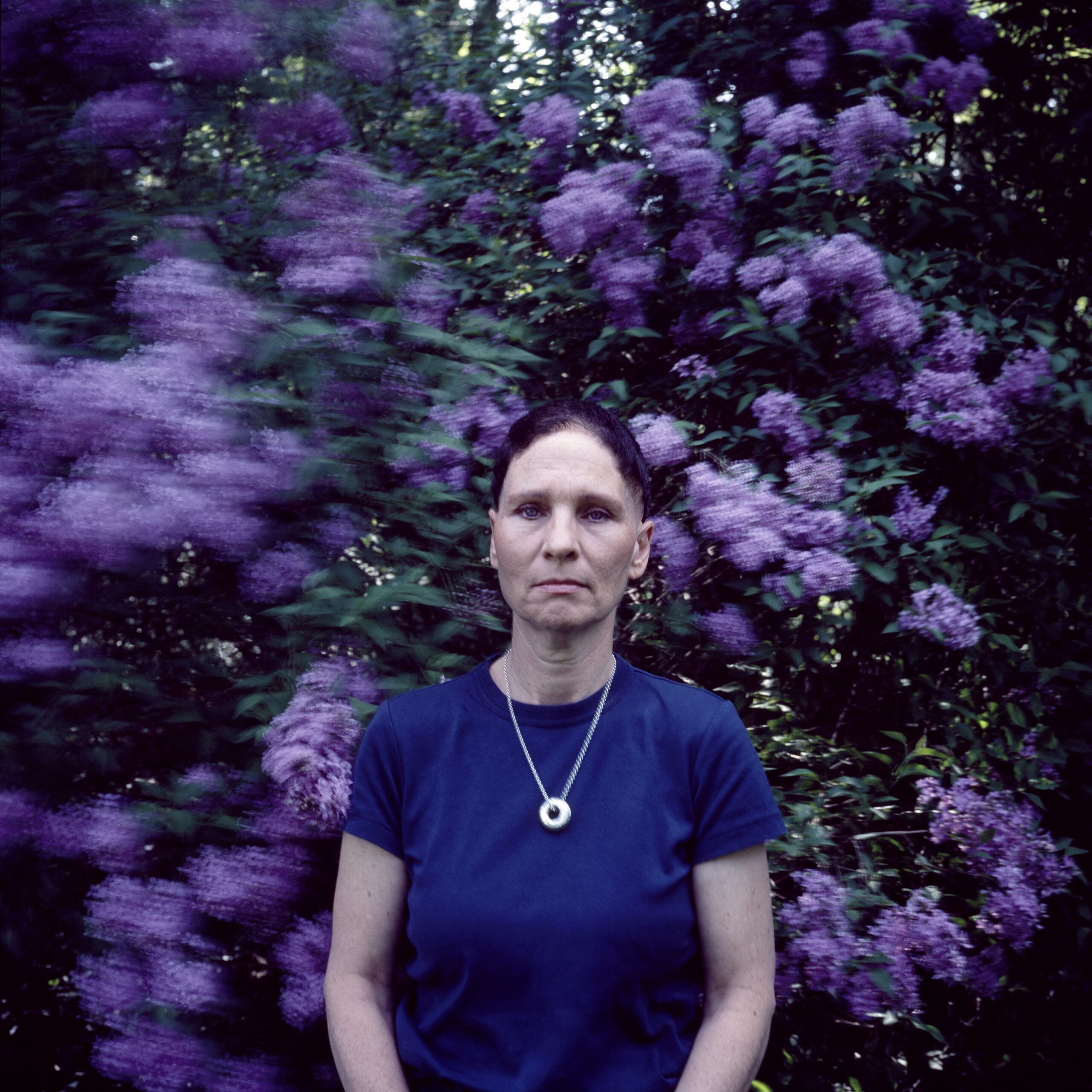
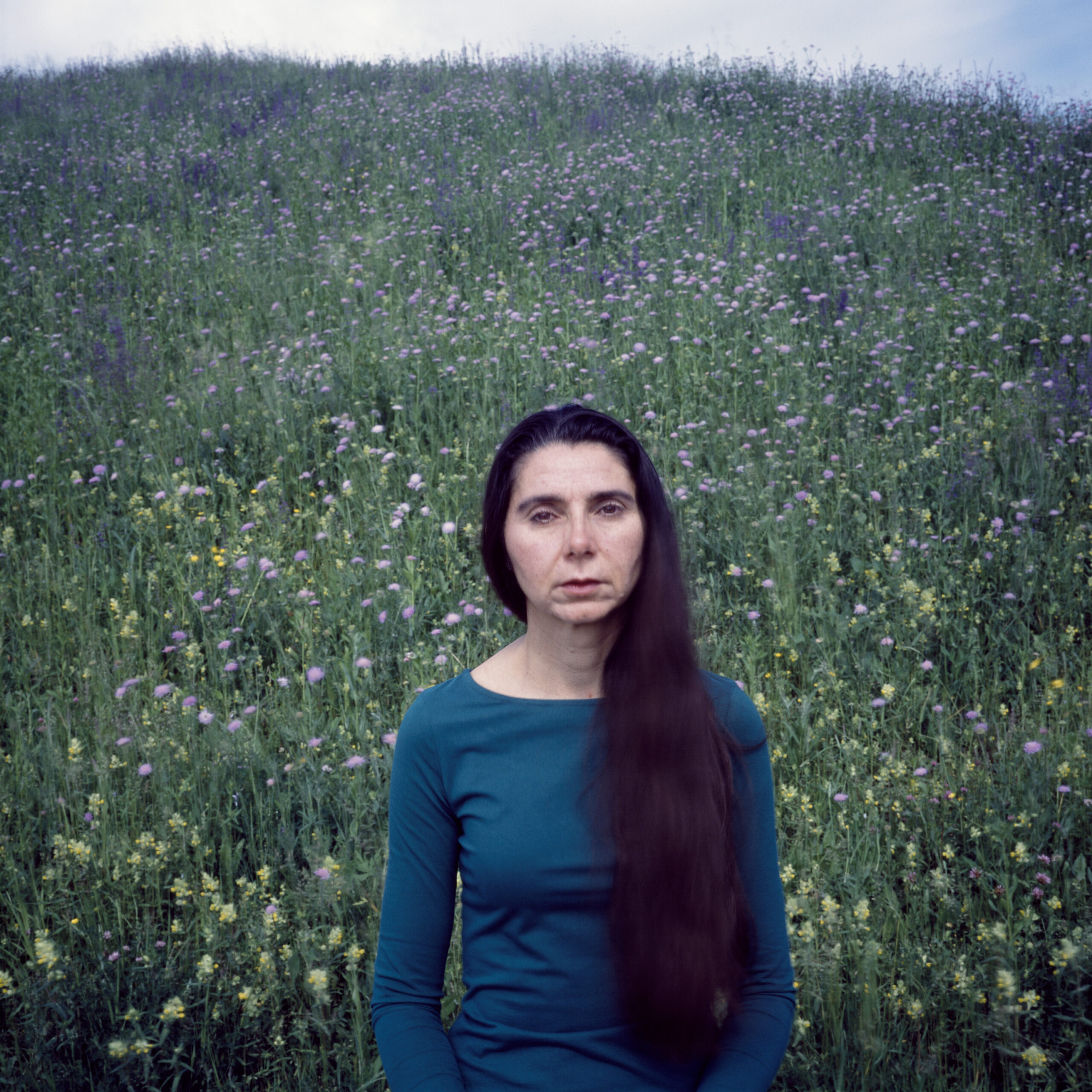
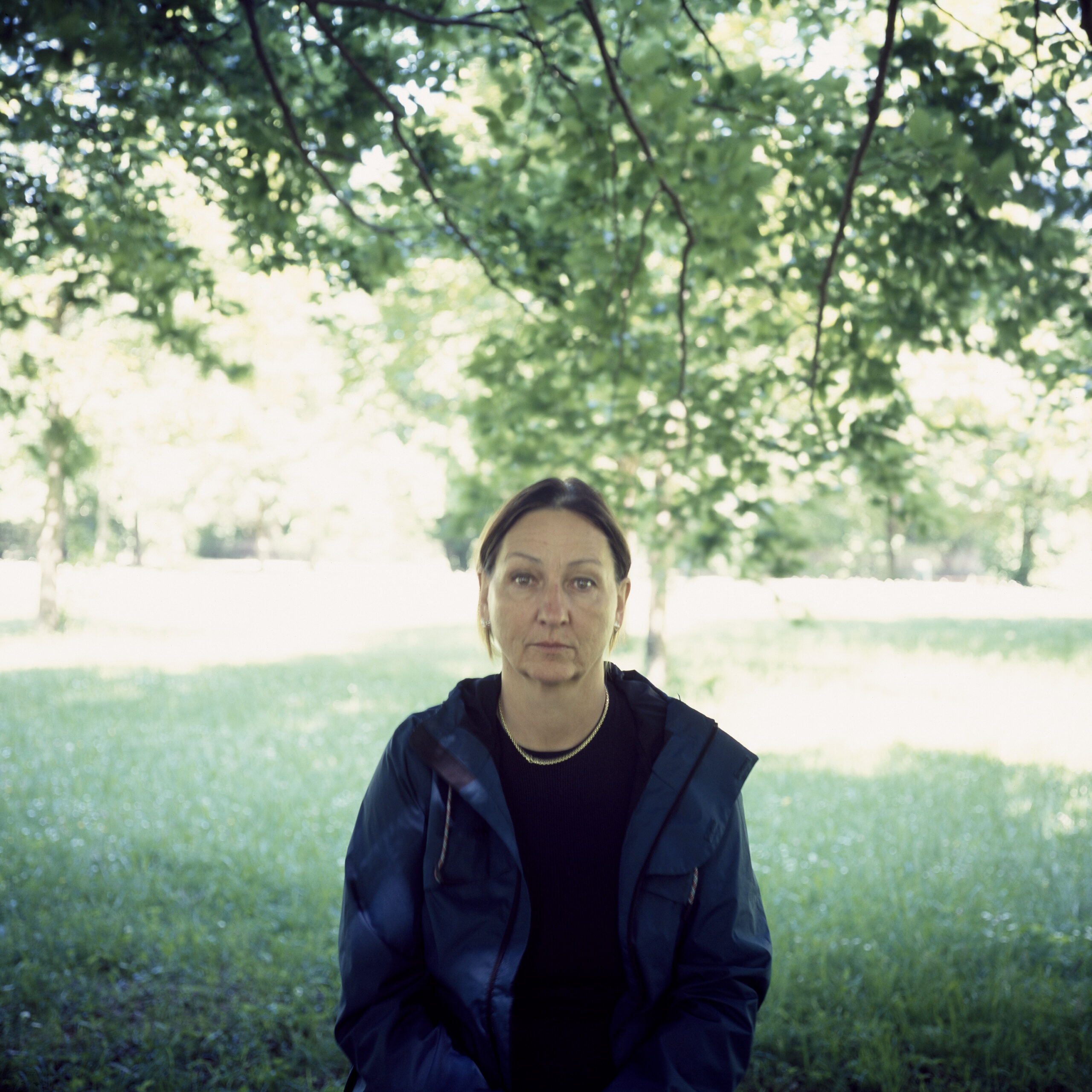
In this project I am re-staging, with contemporary means, the photographic conditions of the early portraits of the 19th century, namely a long exposure time, in the order of minutes, during which the sitter is asked to stay completely still. No other instructions are provided. In order to achieve this near perfect stillness, I used a metal headrest similar to those employed in those 19th century photographic studios. I took the pictures with a Mamiya 6MF camera and medium format color film. The long exposure time was made possible with ND filters.
The basis for this experiment is Walter Benjamin’s considerations from Small History of Photography, a fundamental text of the photographic medium, in which he describes the early photographic portraits as resulting from certain technical and social conditions. The long exposure time necessitated by the slow emulsions allowed the sitter to breath into the image, therefore attaining a deep contemplative state that enhanced the sense of presence conveyed in the picture. The same materials lacking in good sensitivity to light created deep shadows in the image, therefore revealing as well as concealing the photographic subject. The early sitters did not know how to pose. Photography had not yet become a social practice of self-presentation with all the anxiety and artificiality which nowadays surrounds it. They could just exist in front of the camera. Most probably the whole technical process and the very idea that one’s image gets imprinted in great detail on a photo-sensitive plate instilled fascination in the sitters, which translated to a heightened sense of presence. Finally, Benjamin attributes this expression of natural self-composure and presence visible in the first portraits to the zeitgeist of the mid 19th century when the rising class who make subjects of photography was still innocent of “imperialist degeneration” brought about by an accelerating industrial revolution and capitalist growth.
In other words, Benjamin conflated the quiet and self-contained countenance of the first sitters and their inexperience with the self-presentational pose with a certain collective consciousness. With that thought in mind, I proceeded to taking long exposure pictures of friends and acquaintances, curious to see the way in which they would inhabit the long pose and what that might say of our current Zeitgeist. Of course, all people alive today are accustomed to being photographed. We know which side of our face looks better, how to smile, etc. The moment we are in front of the camera we tend to fall on the self-presentational pose. The long pose impedes exactly that. But rather than simply existing in front of the camera, present-day sitters struggle to be still for several minutes and their facial expressions convey that difficulty. If we analogize Benjamin’s conflation from Small History, the uneasiness with which contemporary sitters inhabit the long pose fits our troubled times when industrial development and capitalist exploitation (that were just taking off in the 1840s and 1850s) are reaching the limits of our natural world and threatening the survival of the human species. For this reason all portraits have been taken in nature. I chose the square format because it is awkward for both the portrait and the landscape and therefore supports this idea of the uneasy coexistence between humans and the environment.